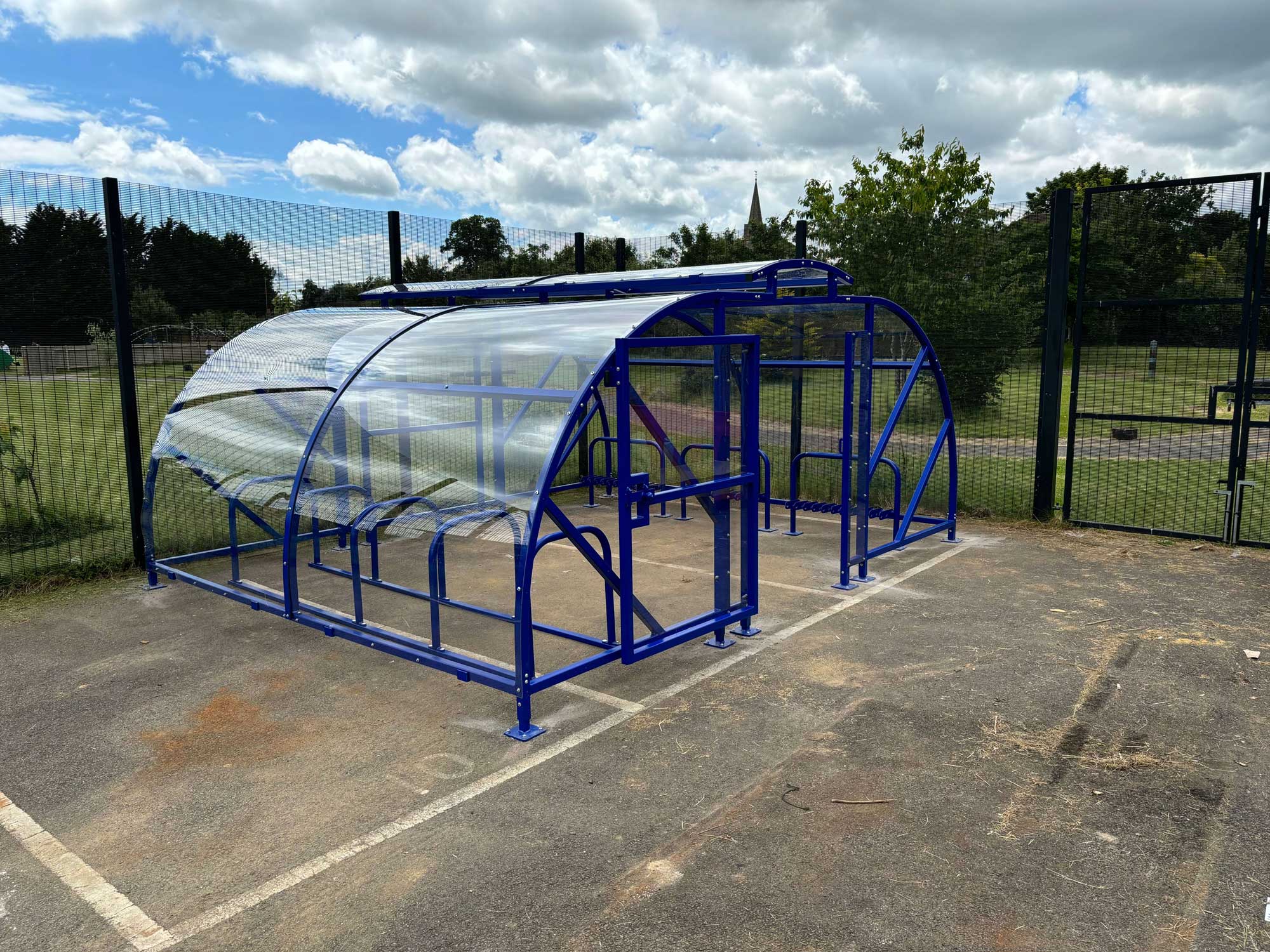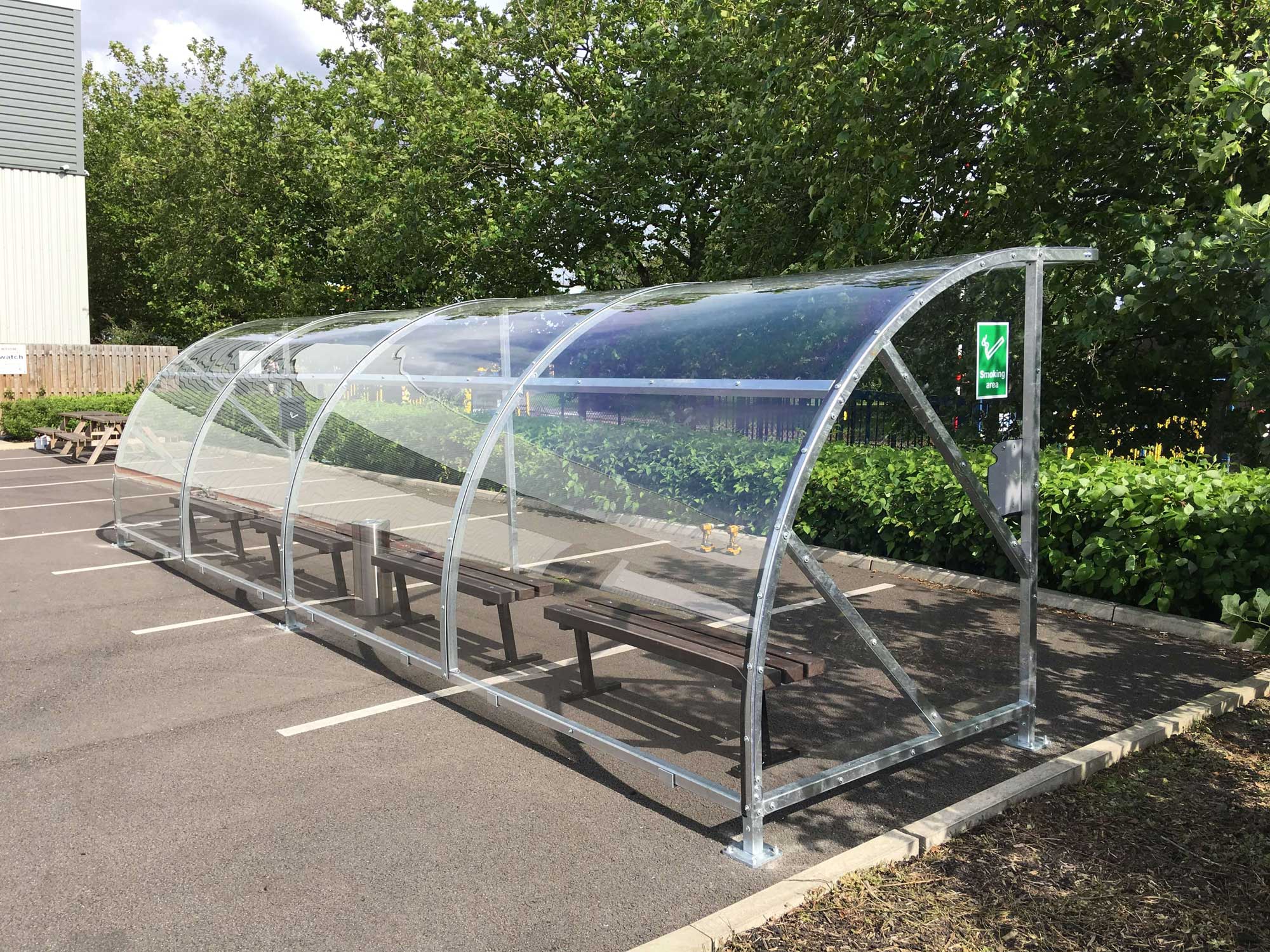
Outdoor shelters are essential for schools, offices, hospitals, warehouses, transport hubs, and public spaces across the UK. Whether it’s a smoking shelter, cycle shelter, waiting shelter, or covered walkway, these structures are exposed to constant wear from rain, UV exposure, pollution, vandalism, and daily use. Without proper maintenance, even high-quality shelters can quickly deteriorate.
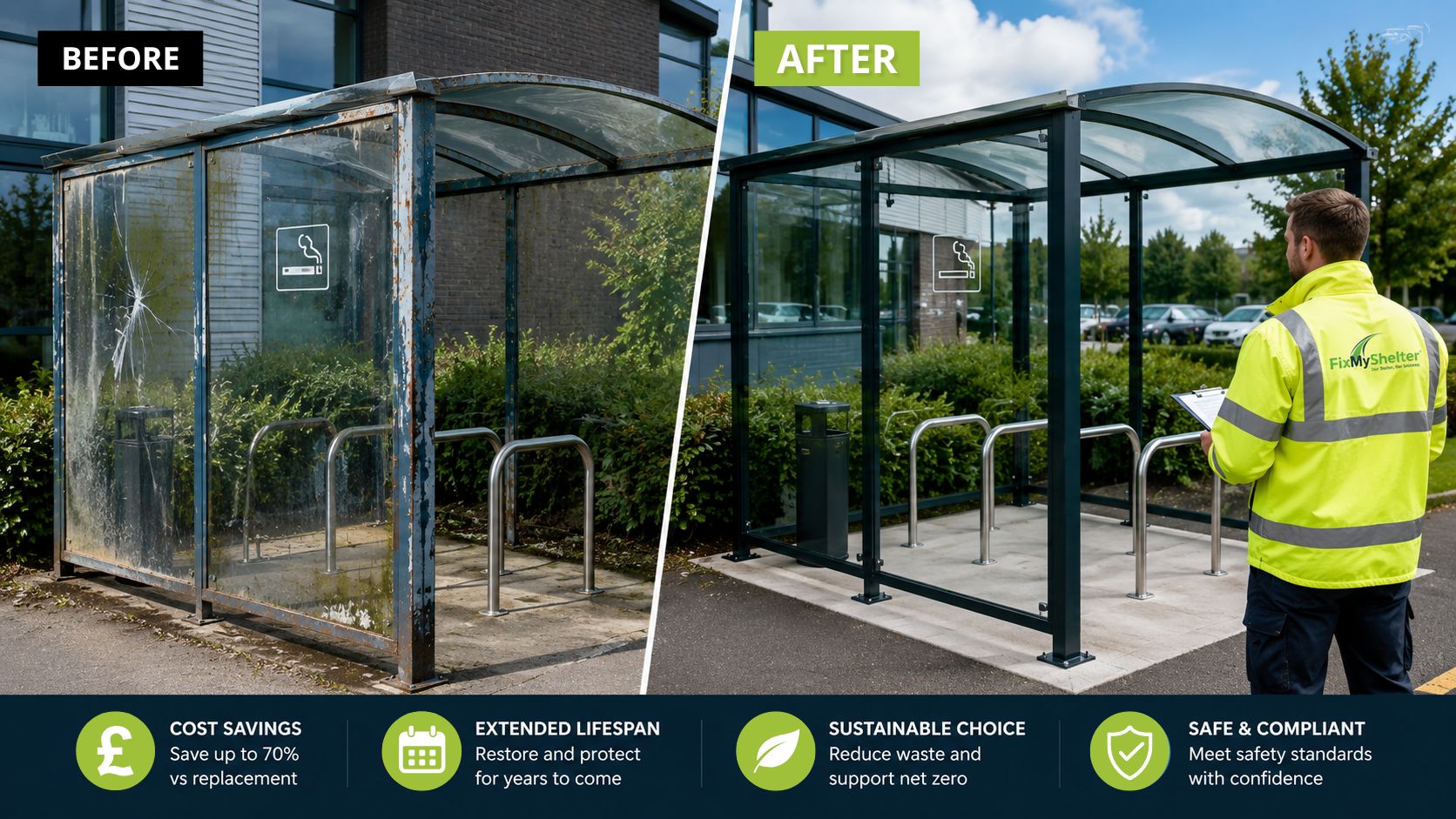
The good news is that most outdoor shelters do not need full replacement when signs of ageing appear. With regular inspections, protective maintenance, and targeted refurbishment work such as replacing damaged glazing panels or recoating steel frameworks, shelters can often remain functional for 10–20 years or more.
At Fix My Shelter, extending the lifespan of outdoor shelters is at the core of the business. Their refurbishment-first approach helps organisations reduce waste, lower replacement costs, and keep shelters looking professional while improving safety and functionality.
Why Outdoor Shelters Deteriorate
Outdoor shelters face continuous exposure to the UK climate. Rainwater, frost, wind, and UV rays gradually weaken coatings and glazing materials. Over time, common issues include:
- Rust and corrosion on steel frames
- Cracked or cloudy glazing panels
- Loose fixings and bolts
- Paint flaking and fading
- Water ingress and drainage problems
- Vandal damage to panels and framework
Cycle shelters and smoking shelters in high-traffic areas are particularly vulnerable. Schools and public spaces often experience damaged or broken bike shed perspex panels due to accidental impact or vandalism.
Ignoring these problems can lead to expensive structural damage and eventually full replacement costs.
Carry Out Regular Shelter Inspections
One of the most effective ways to extend the life of outdoor shelters is through regular inspections.
Routine inspections help identify small issues before they become major problems. Experts recommend checking shelters at least twice a year, especially after winter weather conditions.
Important areas to inspect include:
- Steel framework for rust or corrosion
- Roof panels for cracks or leaks
- Glazing panels for clouding or impact damage
- Loose bolts, fixings, or joints
- Drainage areas where water can collect
- Signs of structural movement or instability
Preventive maintenance is significantly cheaper than emergency repairs or complete replacement.
Replace Damaged Glazing Panels Early
One of the most common causes of shelter deterioration is damaged glazing.
Cracked or missing glazing panels expose the shelter interior and frame to moisture, accelerating corrosion and weakening the structure. Replacing damaged panels quickly can dramatically extend the life of the shelter.
Modern bike shelter replacement panels are available in durable materials such as polycarbonate and PETG, which provide excellent impact resistance and UV protection.
Replacing bike shed glazing panels instead of replacing the entire shelter is often the most cost-effective solution when the frame remains structurally sound.
Popular refurbishment upgrades include:
- UV-resistant glazing panels
- Anti-vandal polycarbonate sheets
- Clear or tinted bike shed perspex panels
- Heavy-duty bike shelter replacement panels
- Safer modern fixing systems
For schools and public-sector environments, high-impact glazing materials can also improve safety and reduce future vandalism damage.
Protect Steel Frameworks From Corrosion
Steel framework deterioration is another major issue for outdoor shelters.
Once rust begins spreading beneath damaged paint coatings, structural integrity can weaken quickly. Professional refurbishment services often include:
- Rust removal
- Surface preparation and sanding
- Anti-corrosion primers
- Commercial-grade protective coatings
- Full-frame recoating systems
According to industry guidance, regular anti-corrosion treatments and repainting significantly increase shelter lifespan.
At Fix My Shelter, frame recoating forms a key part of their shelter refurbishment services, helping older shelters regain both appearance and durability.
Keep Shelters Clean
Basic cleaning is often overlooked but plays an important role in long-term shelter maintenance.
Dirt buildup traps moisture and pollutants against surfaces, increasing the risk of corrosion and panel deterioration.
Regular cleaning should include:
- Washing glazing panels
- Removing algae and moss
- Clearing leaves from drainage areas
- Cleaning bird droppings from roofs and frames
- Checking for standing water
Keeping shelters clean also improves appearance, which is especially important for schools, workplaces, and customer-facing environments.
Upgrade Rather Than Replace
Many organisations assume ageing shelters require complete replacement, but refurbishment is often the smarter option.
A refurbishment-first strategy offers several advantages:
- Lower costs compared to full replacement
- Faster installation times
- Reduced disruption to operations
- Lower environmental impact
- Extended asset lifespan
Refurbishment also supports sustainability goals by keeping existing materials in use and reducing landfill waste.
For businesses managing multiple shelters across sites, refurbishment programmes can provide substantial long-term savings.
Improve Shelter Durability With Modern Materials
Upgrading older materials can dramatically improve shelter longevity.
Modern glazing materials now offer:
- Better UV resistance
- Higher impact resistance
- Improved weather protection
- Longer lifespan
- Reduced maintenance requirements
Upgrading to stronger bike shelter replacement panels can help prevent repeated failures and lower ongoing repair costs.
Likewise, modern coating systems provide stronger protection against harsh weather conditions and corrosion.
Schedule Preventive Maintenance
Preventive maintenance plans are one of the best investments for extending shelter lifespan.
A structured maintenance schedule may include:
- Annual inspections
- Fastener replacement
- Minor panel repairs
- Rust treatment touch-ups
- Drainage checks
- Professional cleaning
According to maintenance guidance, shelters that receive ongoing preventative care can often remain operational for decades.
Extend the Life of Your Shelter With Professional Refurbishment
Outdoor shelters are valuable long-term assets, but without maintenance, their condition can deteriorate rapidly.
By investing in regular inspections, replacing damaged bike shed glazing panels, protecting steel frameworks, and choosing refurbishment over replacement where possible, organisations can significantly extend shelter lifespan while reducing costs.
Whether you manage cycle shelters for schools, smoking shelters for workplaces, or waiting shelters for public environments, proactive maintenance helps improve safety, appearance, and long-term performance.
Fix My Shelter specialises in cost-effective shelter refurbishment services across the UK, including bike shed perspex panels, bike shelter replacement panels, frame recoating, and complete shelter restoration solutions designed to maximise the life of existing structures.