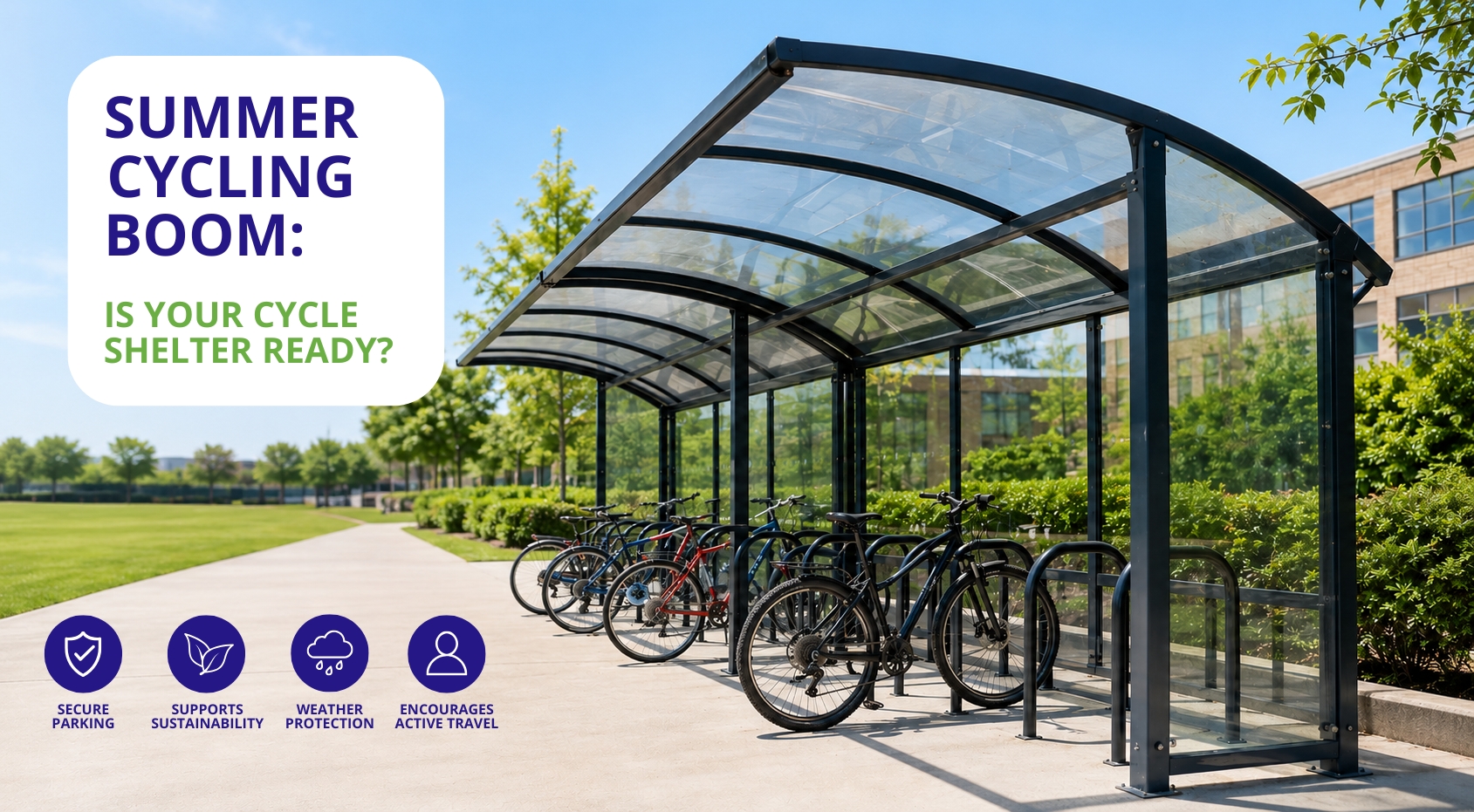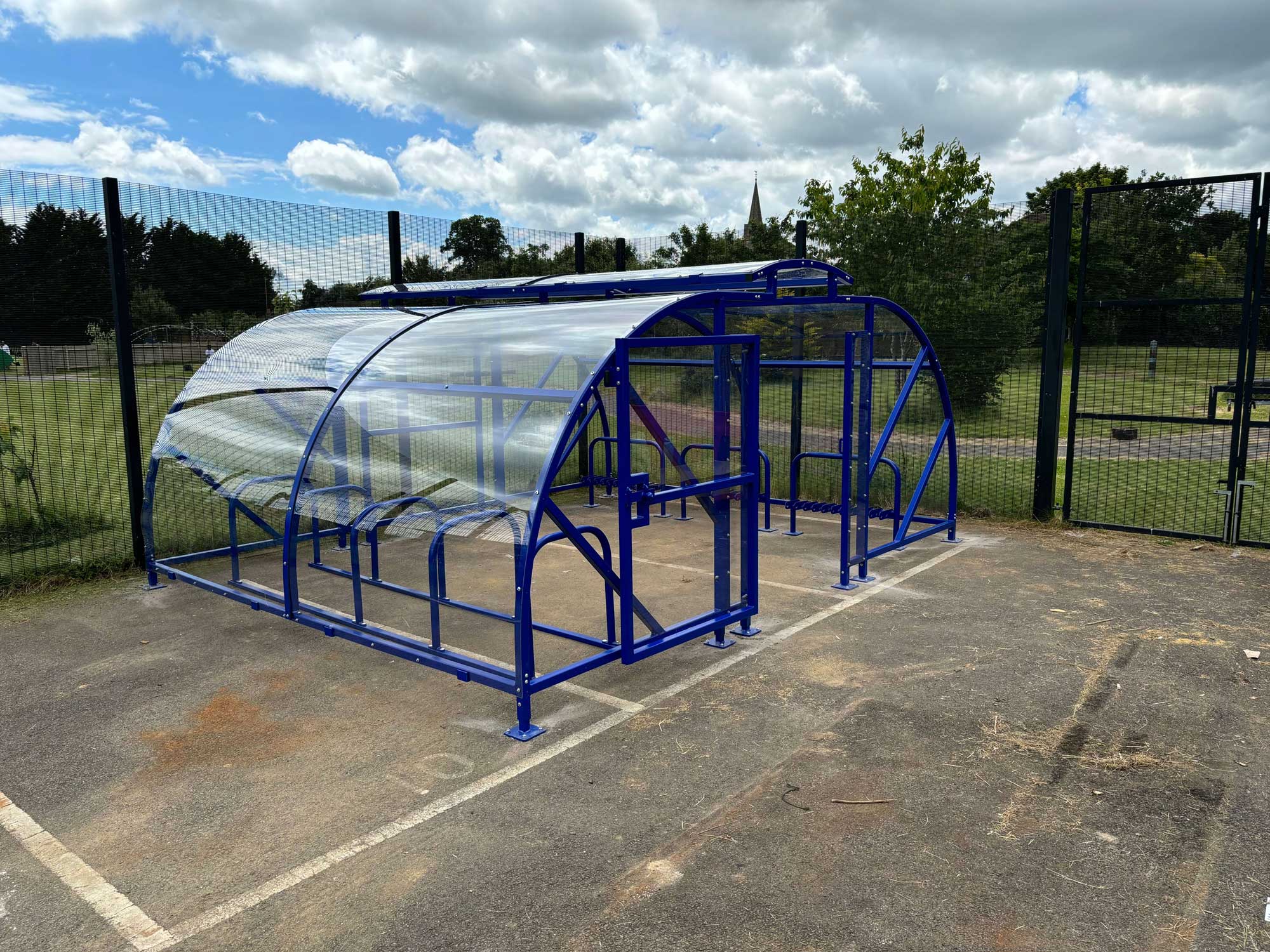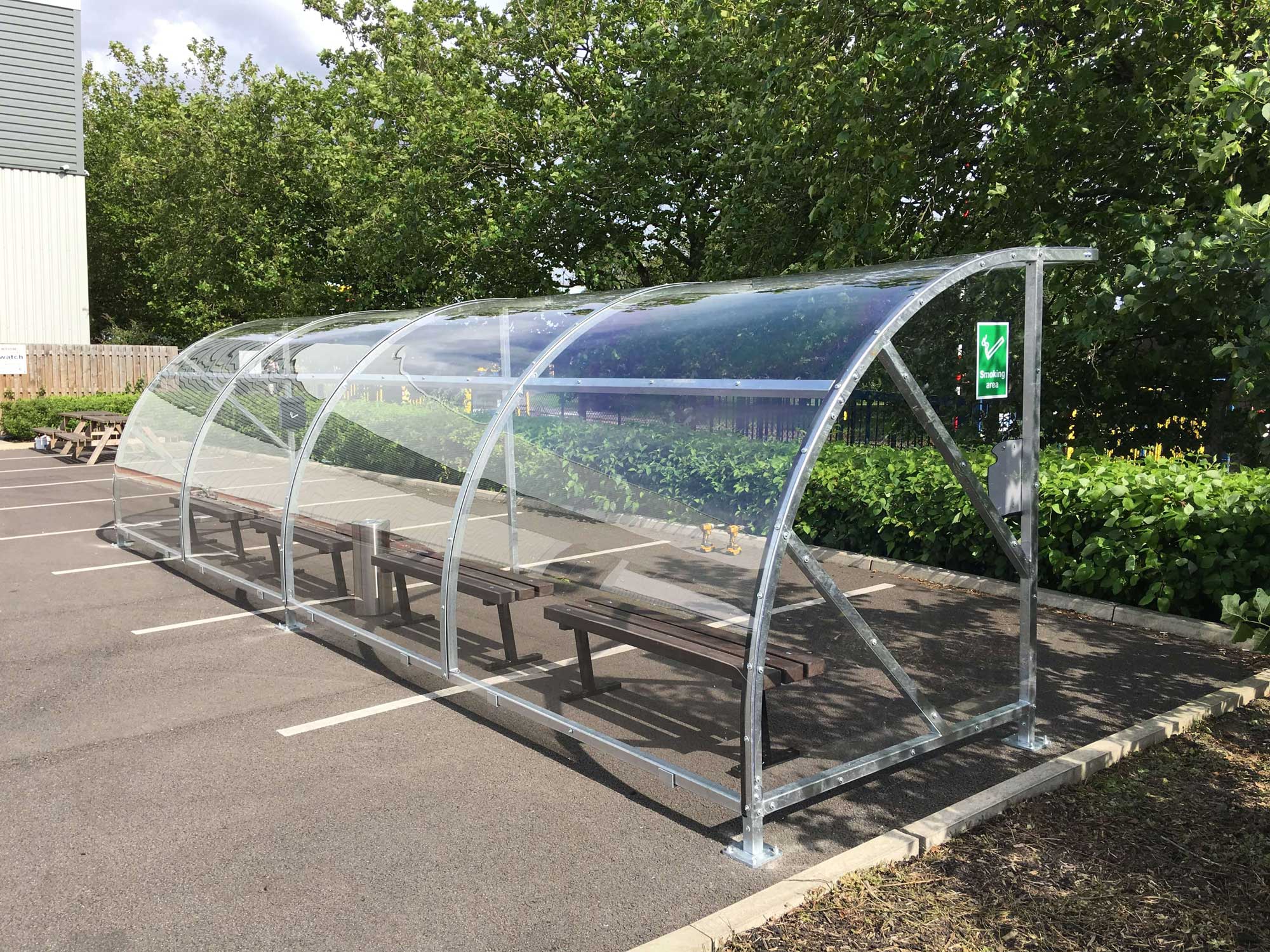
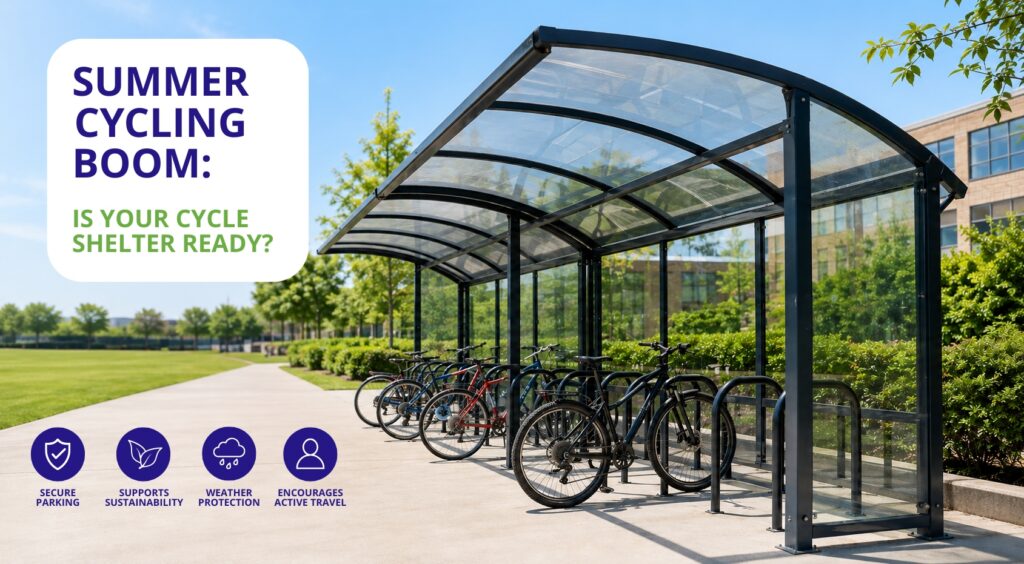
As temperatures rise and daylight hours extend, summer traditionally brings a significant increase in cycling across the UK. Whether it’s employees cycling to work, students riding to school, or visitors choosing sustainable transport options, the demand for safe and secure cycle parking reaches its peak during the summer months.
For businesses, schools, healthcare facilities, local authorities, and public sector organisations, this seasonal surge presents an important question:
Is your cycle shelter ready for increased use?
A well-maintained cycle shelter not only protects bicycles from the elements but also encourages active travel, supports sustainability goals, and demonstrates a commitment to employee and visitor wellbeing.
Cycling Continues to Grow Across the UK
Cycling remains a key part of the UK’s active travel strategy. Recent reports show continued investment in cycling infrastructure, with government-backed funding supporting walking and cycling initiatives throughout England. The UK cycling market returned to growth in 2025, helped by favourable weather and increased participation in recreational and commuter cycling. Active Travel England continues to prioritise cycling infrastructure, secure cycle parking, and sustainable transport solutions.
In Greater Manchester alone, cycling increased by over 20% between 2022 and 2023, demonstrating the growing popularity of cycling for everyday journeys.
Transport for London also reported a 12% increase in daily cycle trips during 2025, with cycling now significantly higher than pre-pandemic levels.
These trends highlight one clear message:
More cyclists mean greater demand on existing cycle shelters.
Why Summer Puts Extra Pressure on Cycle Shelters
During the winter months, cycle shelters often receive relatively light use. Summer is different.
The combination of warmer weather, cycling initiatives, workplace wellbeing programmes, and school activities means cycle shelters can quickly become heavily used.
Common issues that become apparent during summer include:
- Damaged glazing panels
- Leaking roofs
- Corroded steel frameworks
- Loose fixings and bolts
- Faded paintwork
- Insufficient cycle parking capacity
- Graffiti and vandalism damage
- Poor drainage around the shelter
Many organisations only notice these problems once cyclists begin using the shelter more frequently.
A neglected cycle shelter can create a poor first impression and may even discourage cycling altogether.
The Importance of Secure Cycle Parking
Research consistently shows that secure cycle parking is one of the most important factors influencing whether people choose to cycle. Active Travel England advises that cycle parking should be secure, covered, accessible, and designed to accommodate future growth in cycling participation.
For workplaces, schools, and public facilities, this means cycle shelters should provide:
- Protection from rain and UV exposure
- Safe and secure cycle storage
- Easy access for users
- Good visibility and lighting
- Adequate capacity
If your shelter is damaged or outdated, it may no longer meet the expectations of modern cyclists.
Signs Your Cycle Shelter Needs Refurbishment
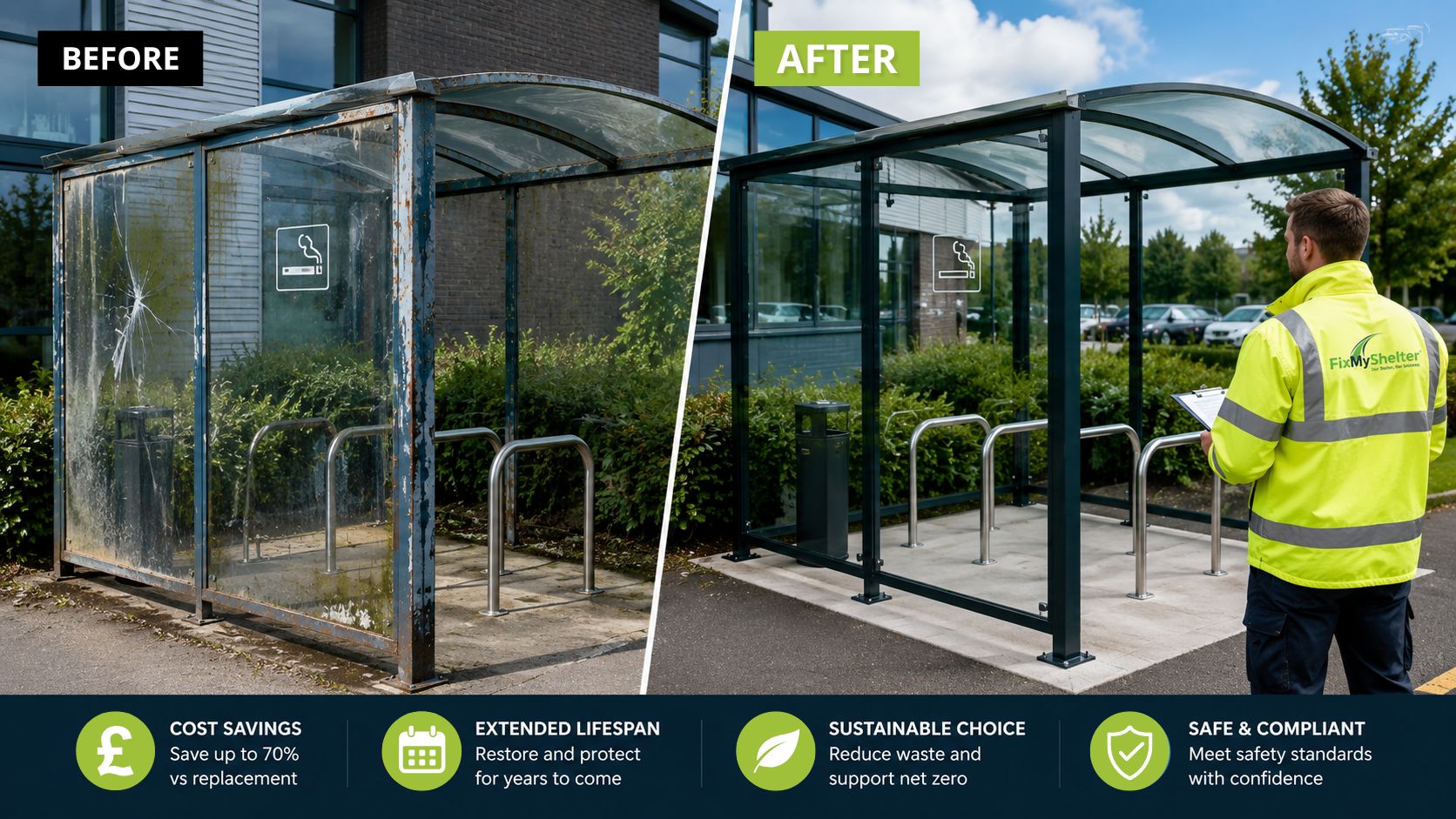
Many cycle shelters remain structurally sound even after years of use. However, the external appearance and functionality can deteriorate significantly over time.
Signs that refurbishment may be required include:
Cracked or Missing Glazing Panels
Polycarbonate and PETG panels can become scratched, cloudy, cracked, or vandalised. Damaged panels reduce weather protection and affect the overall appearance of the shelter.
Rust and Corrosion
Steel cycle shelters exposed to the UK weather can develop rust, particularly around joints, fixings, and ground-level areas.
Faded or Peeling Paintwork
A tired-looking shelter can negatively impact the appearance of your site. Refurbishment and recoating can restore a professional appearance while providing additional protection against corrosion.
Loose Components
Bolts, brackets, and roof sections can loosen over time. This can become a safety concern when shelters experience increased use during summer.
Capacity Issues
Many organisations installed cycle shelters years ago when cycling numbers were lower. If bikes are regularly parked outside designated areas, it may be time to upgrade or extend your existing shelter.
Refurbishment vs Replacement
One of the biggest misconceptions is that an ageing cycle shelter must be replaced entirely.
In many cases, refurbishment provides a more cost-effective and sustainable solution.
A professional cycle shelter refurbishment can include:
- Replacement glazing panels
- Steelwork repairs
- Powder coating or repainting
- Roof repairs
- Structural inspections
- Bolt and fixing replacements
- Shelter extensions and upgrades
Refurbishment can significantly extend the lifespan of a cycle shelter while costing considerably less than purchasing and installing a brand-new structure.
For organisations facing budget constraints, refurbishment often delivers excellent value for money.
Supporting Sustainability Goals
Many businesses and public sector organisations have committed to reducing carbon emissions and encouraging sustainable travel.
Providing attractive, secure cycle parking directly supports these objectives.
Government policy continues to encourage active travel, while employers increasingly recognise the benefits of cycling for staff wellbeing, reduced parking pressures, and lower environmental impact.
A refurbished cycle shelter demonstrates a visible commitment to sustainability and can help encourage more people to choose cycling over driving.
Schools Are Seeing Increased Demand
Schools across the UK continue to promote cycling through active travel initiatives and bike-to-school programmes.
With increased participation comes greater pressure on existing cycle shelters.
Common issues seen in school cycle shelters include:
- Broken glazing panels
- Graffiti damage
- Corrosion
- Roof leaks
- Insufficient storage space
Summer holidays provide an ideal opportunity for schools to undertake cycle shelter refurbishment projects with minimal disruption to pupils and staff.
Preparing for Future Growth
Active Travel England recommends planning cycle parking with future growth in mind rather than simply meeting current demand. Secure, covered cycle parking plays a vital role in supporting long-term increases in cycling.
As cycling continues to grow across workplaces, schools, transport hubs, healthcare facilities, and public spaces, organisations that invest in their cycle infrastructure today will be better prepared for tomorrow’s demand.
The summer cycling boom is not simply a seasonal trend. It forms part of a wider shift towards healthier, more sustainable transport choices.
Is Your Cycle Shelter Ready?
Summer is the ideal time to inspect your cycle shelter and identify any issues before they become more costly problems.
A professional refurbishment can:
- Improve appearance
- Extend shelter lifespan
- Enhance user safety
- Support active travel initiatives
- Reduce long-term maintenance costs
- Improve sustainability credentials
If your cycle shelter is showing signs of wear, now is the perfect time to act.
Fix My Shelter
At Fix My Shelter, we specialise in professional cycle shelter refurbishment services throughout the UK. From replacing damaged glazing panels and repairing steelwork to complete shelter restoration projects, we help organisations maximise the lifespan of their existing cycle shelters.
Contact Us Now to learn more about our cycle shelter refurbishment services and request a free quotation.