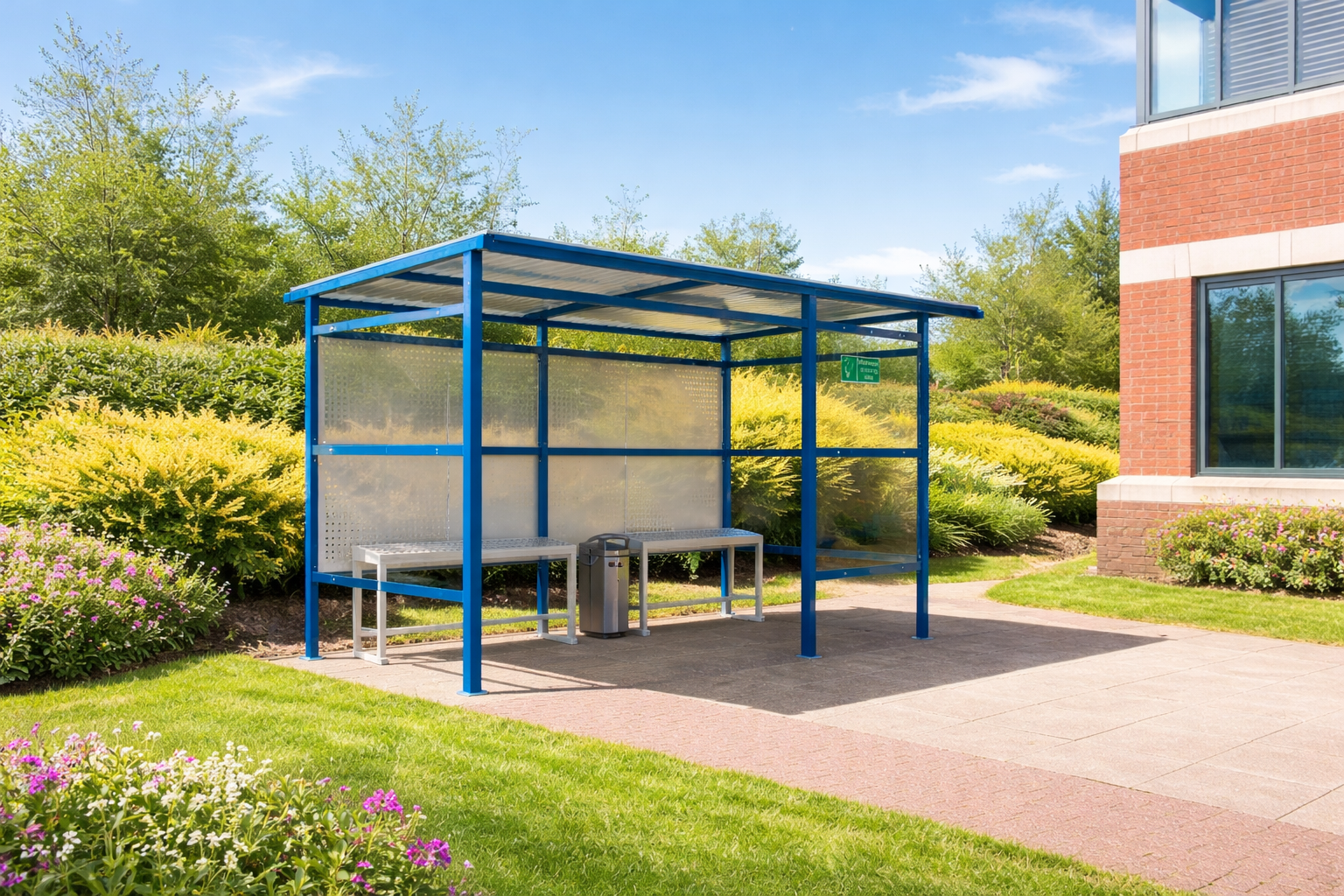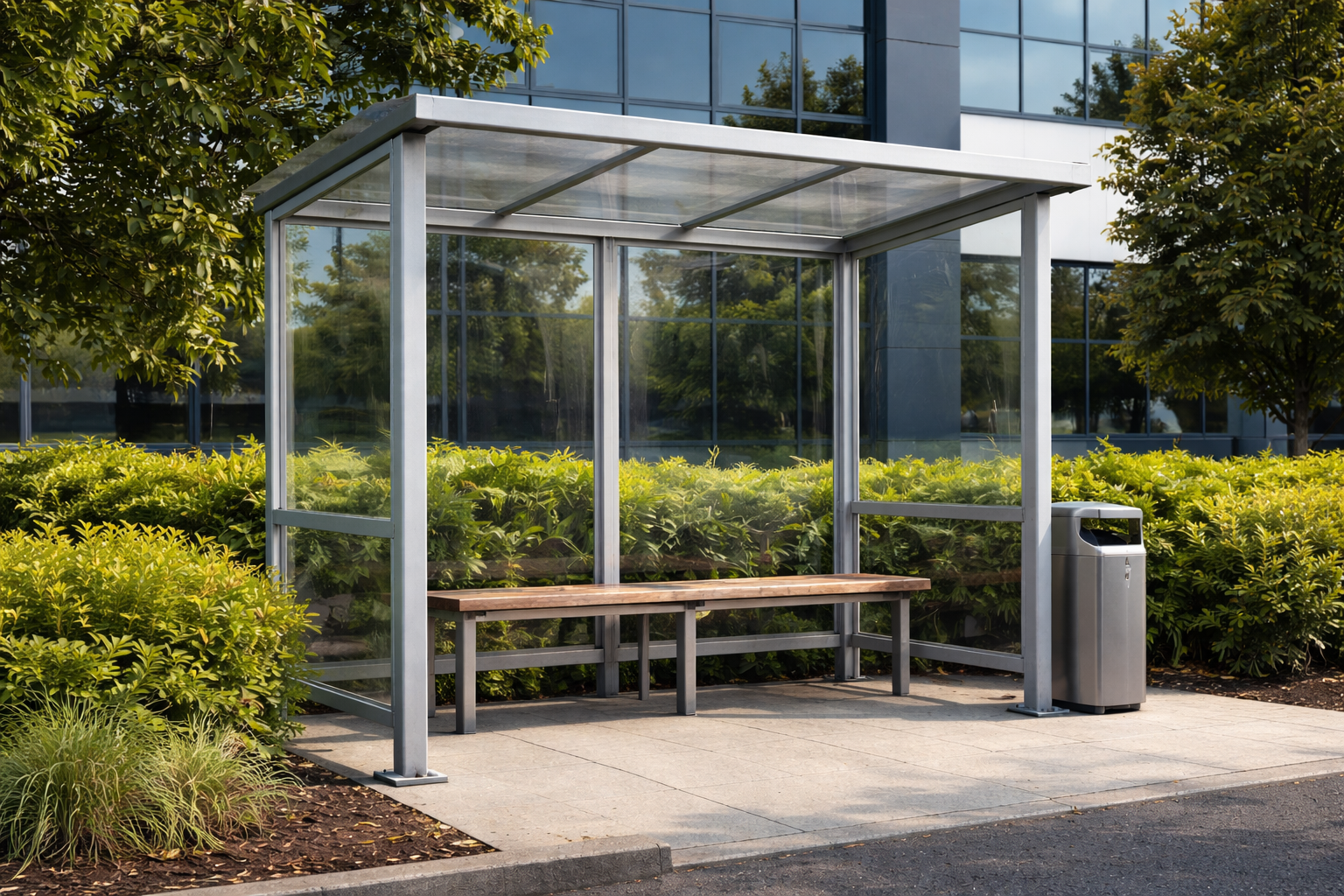
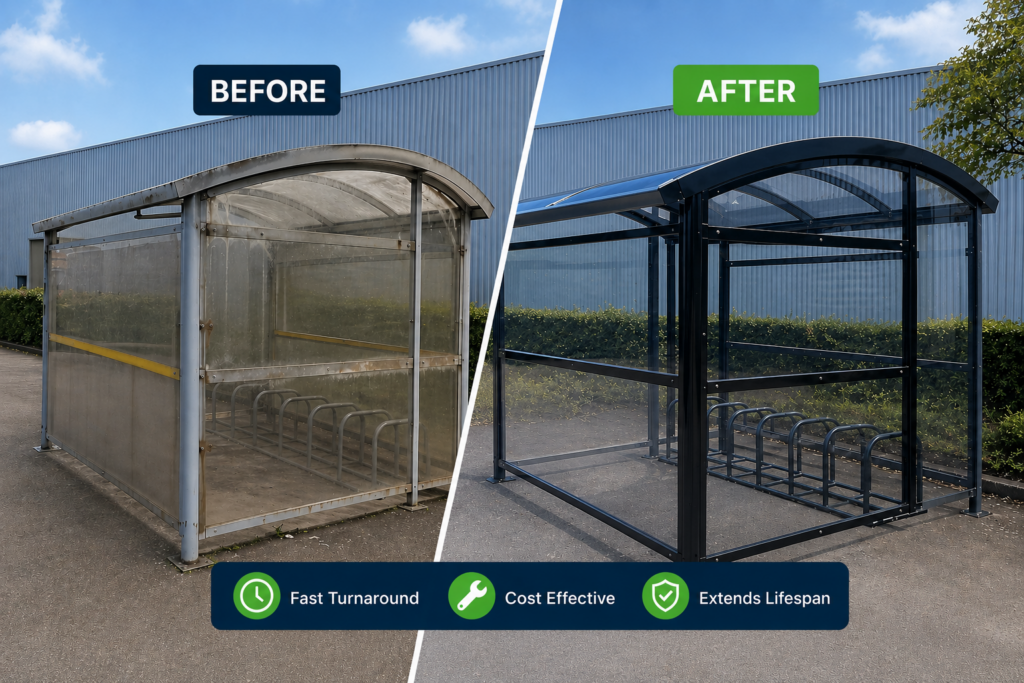
When a smoking shelter, cycle shelter, or waiting shelter starts looking worn, damaged, or unsafe, many businesses and schools assume a full replacement is the only option. In reality, shelter refurbishment is often a faster, more cost-effective, and less disruptive solution.
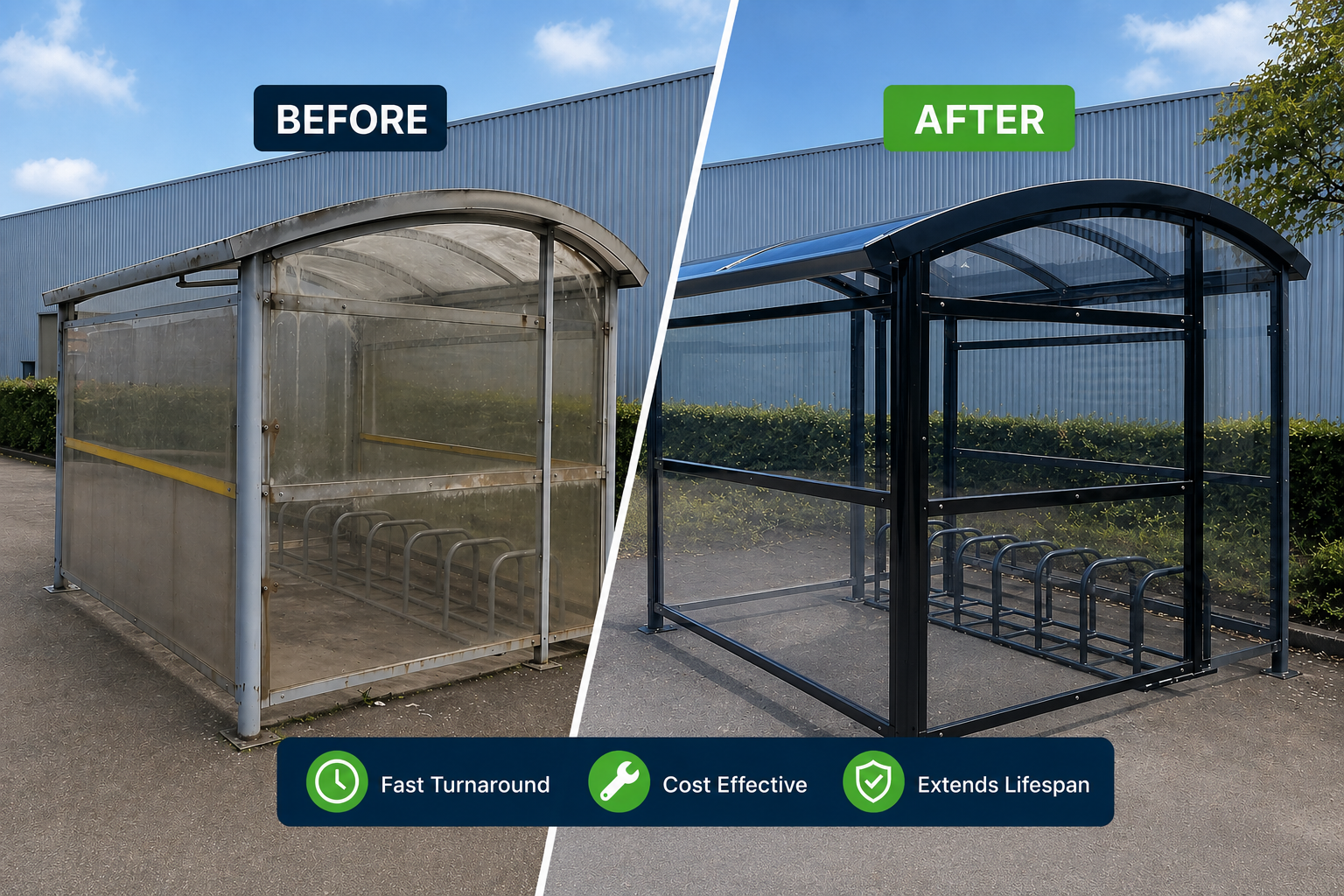
For organisations across the UK, refurbishing existing shelters can restore safety, improve appearance, extend lifespan, and reduce costs, all without the long lead times associated with completely replacing outdoor structures. According to Tamstar Ltd and Fix My Shelter, many refurbishment projects can be completed within just one to two days depending on the condition and size of the shelter.
In this guide, we explain how long shelter refurbishment typically takes, what affects project timescales, and how businesses, schools, councils, and workplaces can minimise disruption during refurbishment works.
What Is Shelter Refurbishment?
Shelter refurbishment involves restoring and upgrading an existing outdoor shelter instead of replacing it entirely.
Typical refurbishment work may include:
- Glazing panel replacement
- Polycarbonate or Perspex panel upgrades
- Frame recoating and rust treatment
- Replacement fixings and bolts
- Structural repairs
- Anti-vandal upgrades
- Cleaning and cosmetic improvements
This type of work is commonly carried out on:
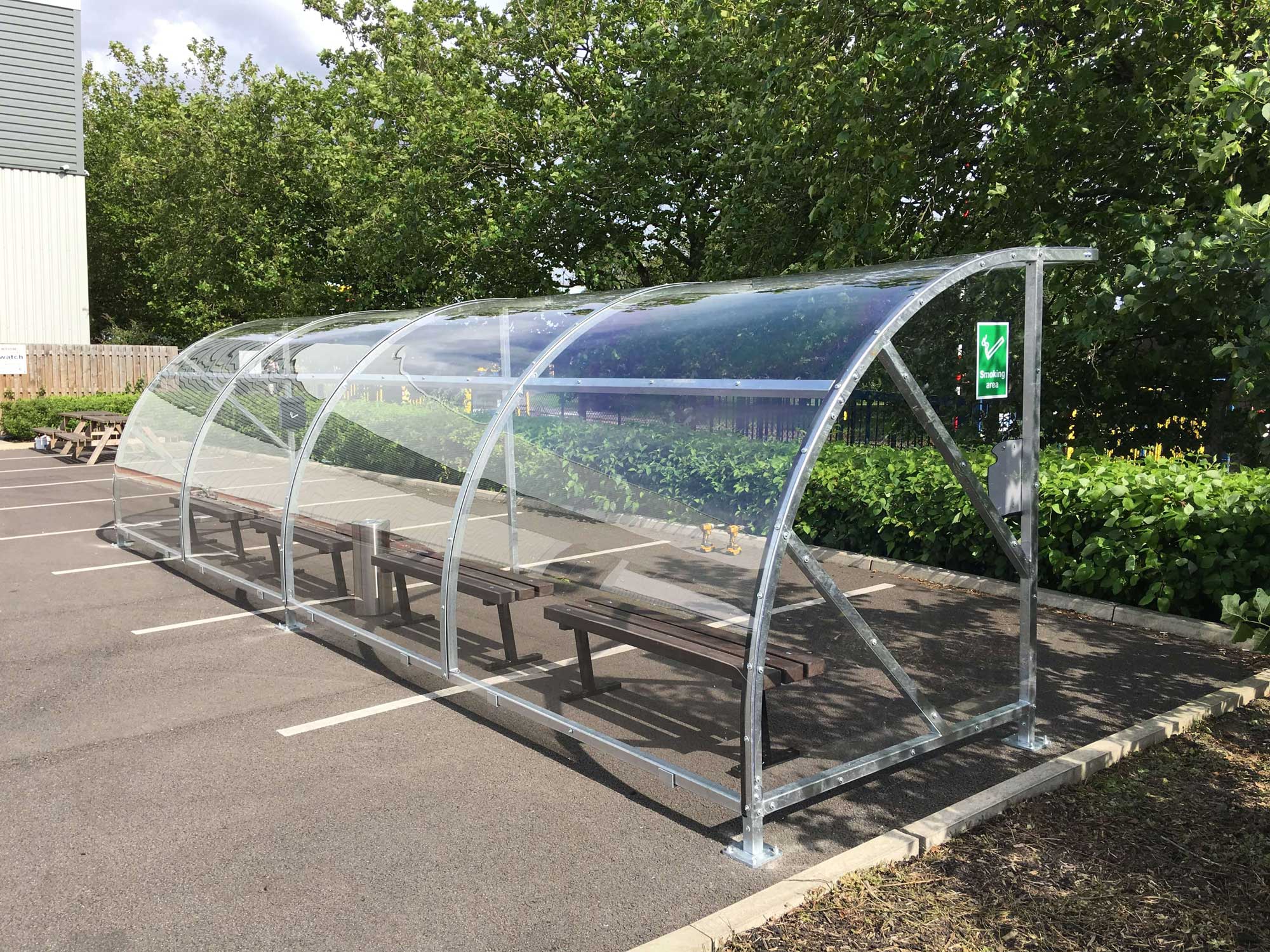
- Smoking shelters
- Cycle shelters
- Bike shelters for schools
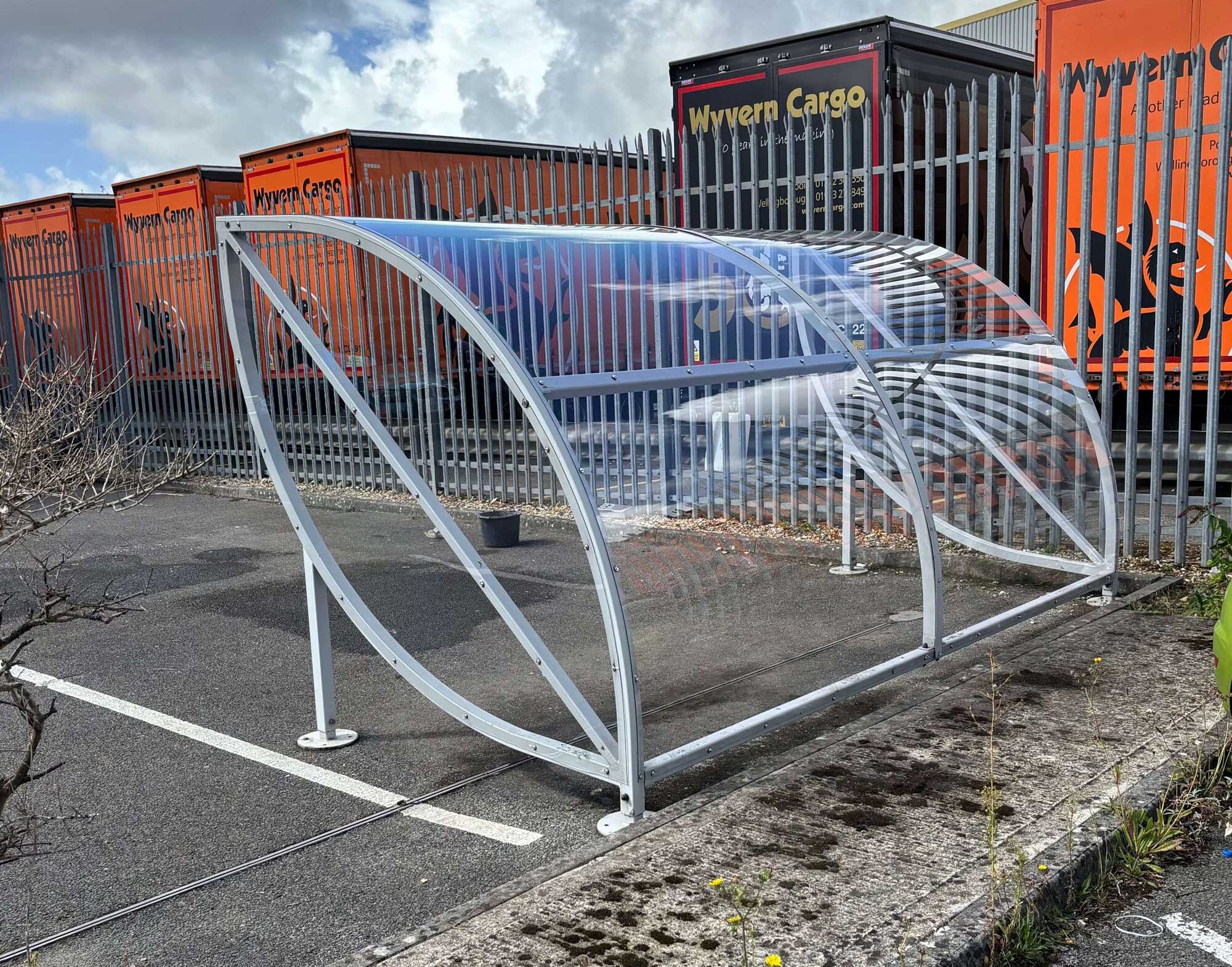
- Waiting shelters
- Covered walkways
According to the Fix My Shelter refurbishment FAQs, refurbishment is often significantly faster and more affordable than installing a brand-new shelter.
Average Shelter Refurbishment Timescales
The time required for shelter refurbishment depends on the scope of work involved.
Small Glazing Panel Replacement Projects
Typical Time: Half-day to 1 day
If the shelter frame is still structurally sound and only the glazing panels are damaged, the work can often be completed during a single visit.
Examples include:
- Replacing cracked Perspex panels
- Installing new polycarbonate sheets
- Replacing missing glazing panels
- Upgrading vandal-damaged sections
Fix My Shelter states that most glazing panel replacements are completed within one site visit, depending on access and panel quantity.
This is particularly beneficial for schools and workplaces that need fast turnaround times with minimal disruption.
Full Shelter Refurbishment Projects
Typical Time: 1- 2 days
A complete shelter refurbishment generally includes both structural and cosmetic improvements, such as:
- Recoating the steel framework
- Rust treatment
- Panel replacement
- New fixings installation
- Safety improvements
According to Fix My Shelter, most refurbishment projects are completed within one to two days, depending on shelter condition and size.
This is considerably quicker than full shelter replacement projects, which may involve:
- Groundworks
- New concrete bases
- Removal of old structures
- Longer manufacturing lead times
Large Multi-Shelter Projects
Typical Time: Several days to phased works
Larger sites such as schools, NHS facilities, transport hubs, and industrial estates may require refurbishment across multiple shelters.
In these cases, contractors often phase the work to reduce disruption.
For example:
- One shelter refurbished at a time
- Work completed during holidays or quieter periods
- Weekend or off-peak scheduling
This approach allows facilities to remain operational throughout the project.
What Affects Shelter Refurbishment Time?
Several factors influence how long a shelter refurbishment project takes.
1. Shelter Size
Larger cycle shelters naturally require more time than smaller smoking shelters.
A shelter covering dozens of bikes will usually involve:
- More glazing panels
- Additional structural checks
- More extensive recoating work
2. Extent of Damage
Minor cosmetic repairs can be completed quickly.
However, projects involving:
- severe corrosion
- damaged framework
- missing structural sections
- failed fixings
may require additional labour and materials.
3. Access to the Site
Easy access speeds up installation and refurbishment work.
Challenges that can increase timescales include:
- restricted access areas
- busy public spaces
- limited vehicle access
- safeguarding requirements in schools
4. Weather Conditions
Because most shelter refurbishment work is carried out outdoors, severe weather can occasionally delay projects.
Rain, strong winds, or freezing conditions may impact:
- recoating applications
- safe panel installation
- curing times for protective finishes
5. Custom Materials or Specialist Panels
Some older shelters require bespoke glazing panel sizes or specialist materials.
Lead times for custom-cut panels may slightly extend project schedules.
However, experienced refurbishment specialists can often source modern equivalents that meet current safety requirements.
How Refurbishment Minimises Disruption
One of the biggest advantages of shelter refurbishment is the reduced disruption compared to full replacement.
According to Fix My Shelter, refurbishment projects are often scheduled outside peak times or work areas are isolated to keep facilities functional during the process.
This is especially important for:
- schools
- hospitals
- offices
- transport facilities
- warehouses
Many projects are completed during:
- school holidays
- weekends
- quieter operational periods
Real Example: School Shelter Refurbishment
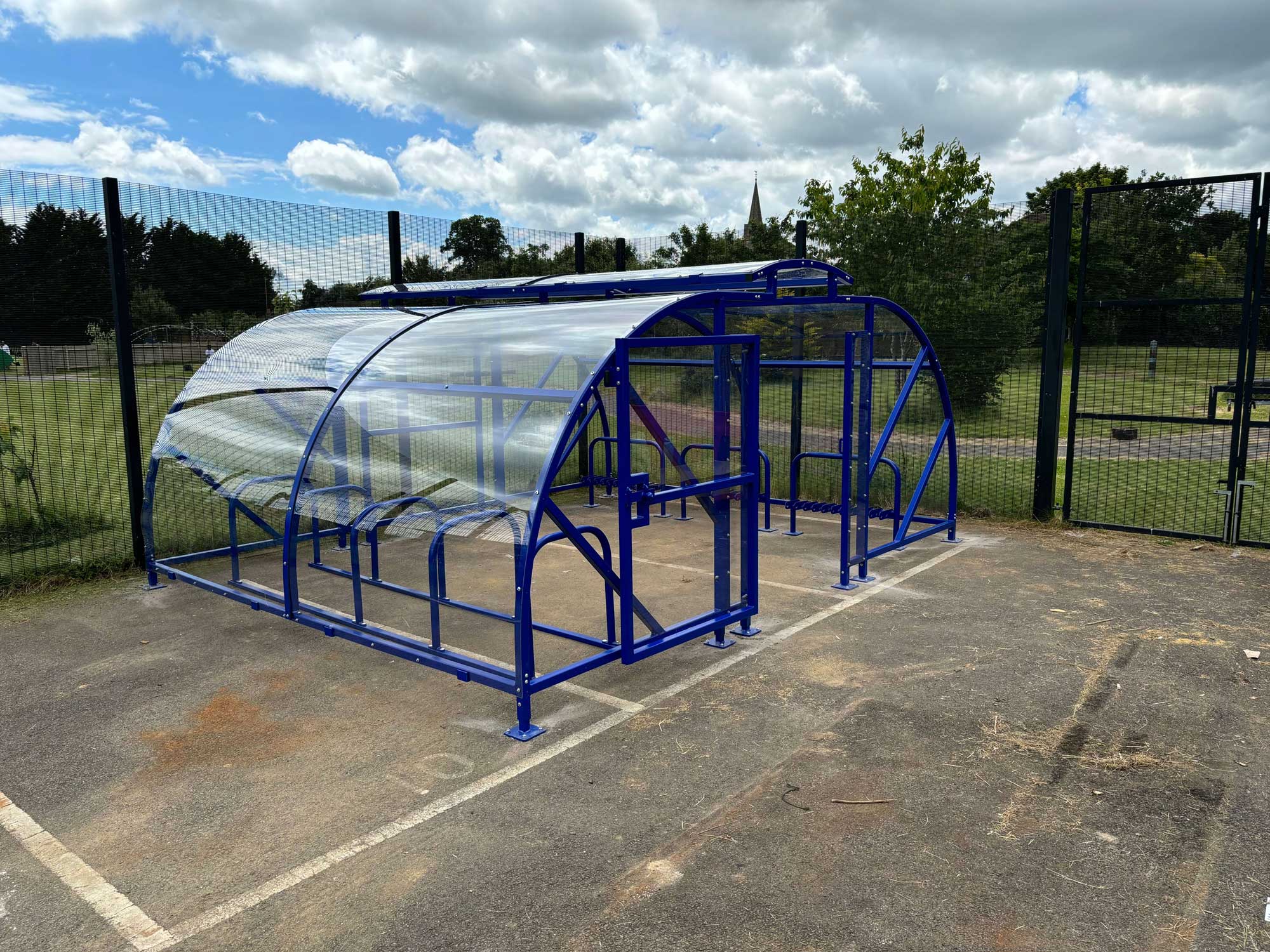
A real-world example from Fix My Shelter involved bike shelter glazing replacement work at a school in Hillingdon.
The project included replacing damaged glazing panels to improve safety and weather protection for students.
The refurbishment was completed in just 2 days with minimal disruption to school operations.
This demonstrates how fast, efficient refurbishment can restore shelters without requiring full replacement.
Why Refurbishment Is Often Faster Than Replacement
Many organisations are surprised to discover that refurbishment can deliver near-new results without the delays associated with replacing entire shelters.
Benefits include:
- reduced installation time
- lower labour costs
- minimal disruption
- no major groundwork
- lower environmental impact
Fix My Shelter highlights that refurbishment can reduce costs by up to 70% compared to full replacement while extending shelter lifespan significantly.
How to Speed Up a Shelter Refurbishment Project
To ensure the fastest possible turnaround:
- Provide clear photos of damage in advance
- Arrange easy site access
- Schedule work during quieter periods
- Identify health and safety requirements early
- Work with experienced refurbishment specialists
Some companies can even provide initial assessments from photographs before arranging a site visit.
Final Thoughts
So, how long does shelter refurbishment take?
For many smoking shelters and cycle shelters, refurbishment can often be completed in as little as one day. Larger or more complex projects may take two days or slightly longer depending on the scale of work involved.
Compared to full replacement, shelter refurbishment offers a faster, more sustainable, and cost-effective solution for restoring outdoor shelters across schools, workplaces, NHS sites, councils, and commercial facilities.
Whether you need cycle shelter refurbishment, smoking shelter panel replacement, or complete shelter restoration, acting early can help prevent further deterioration, improve safety, and extend the life of your existing infrastructure for years to come.