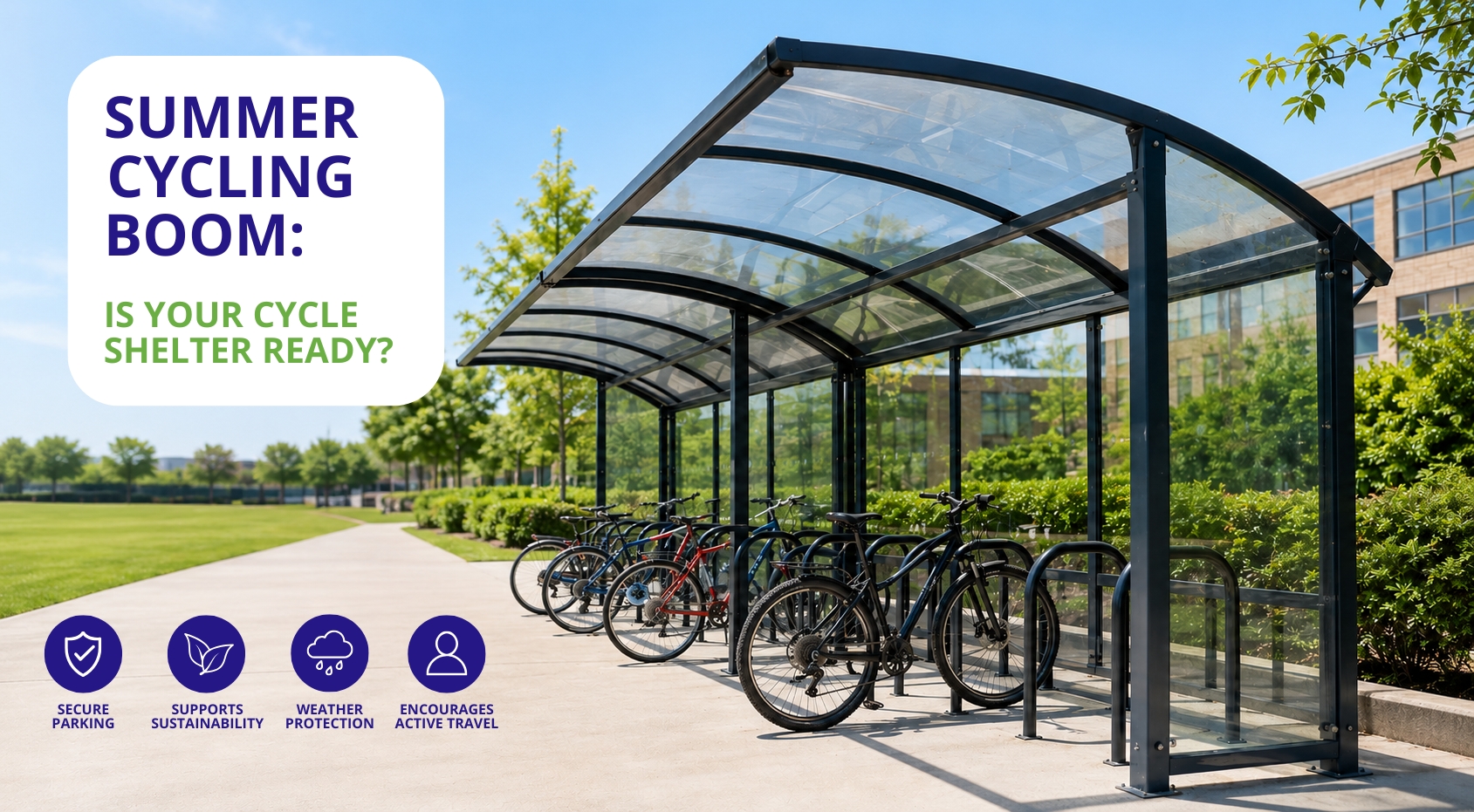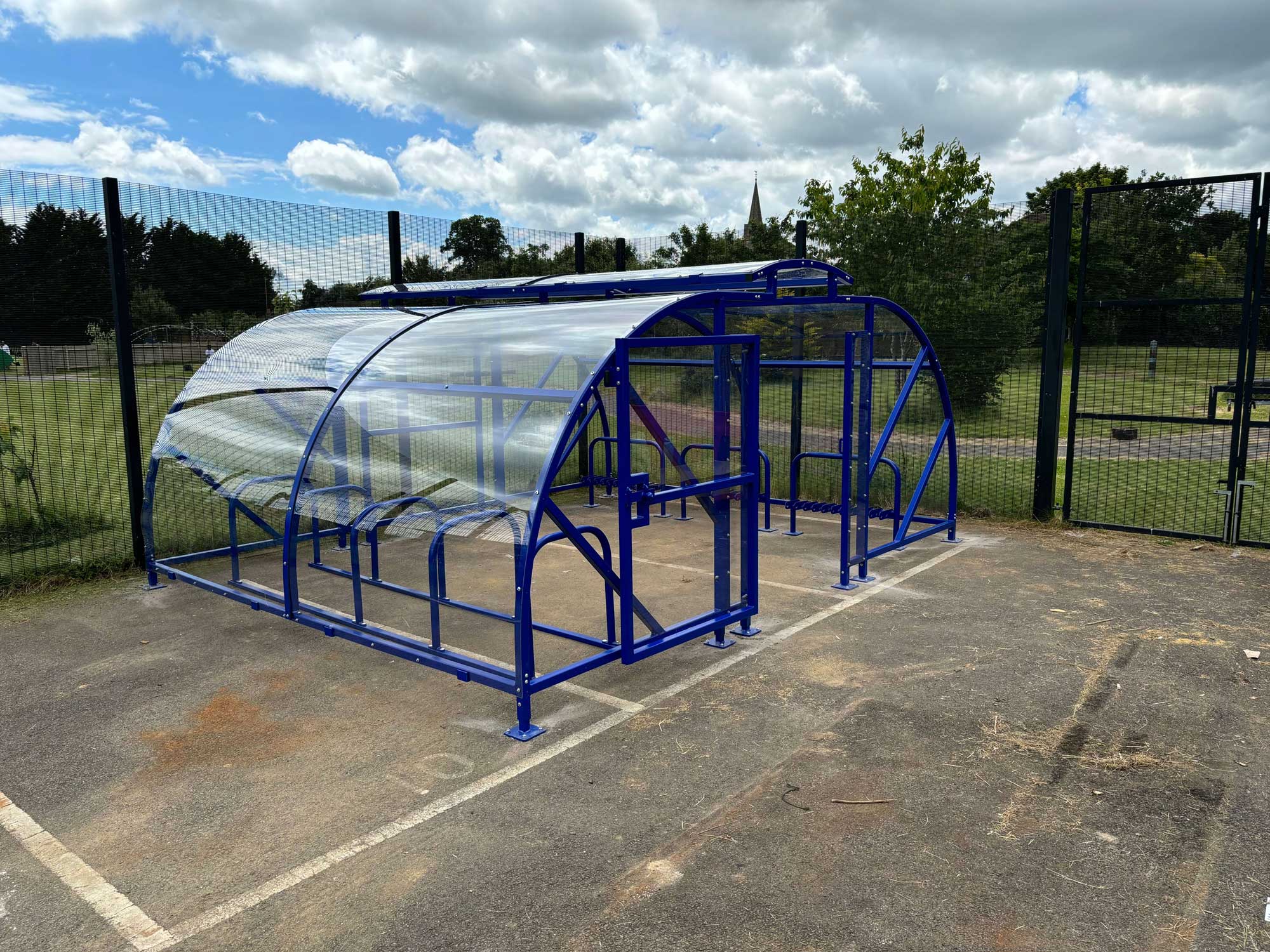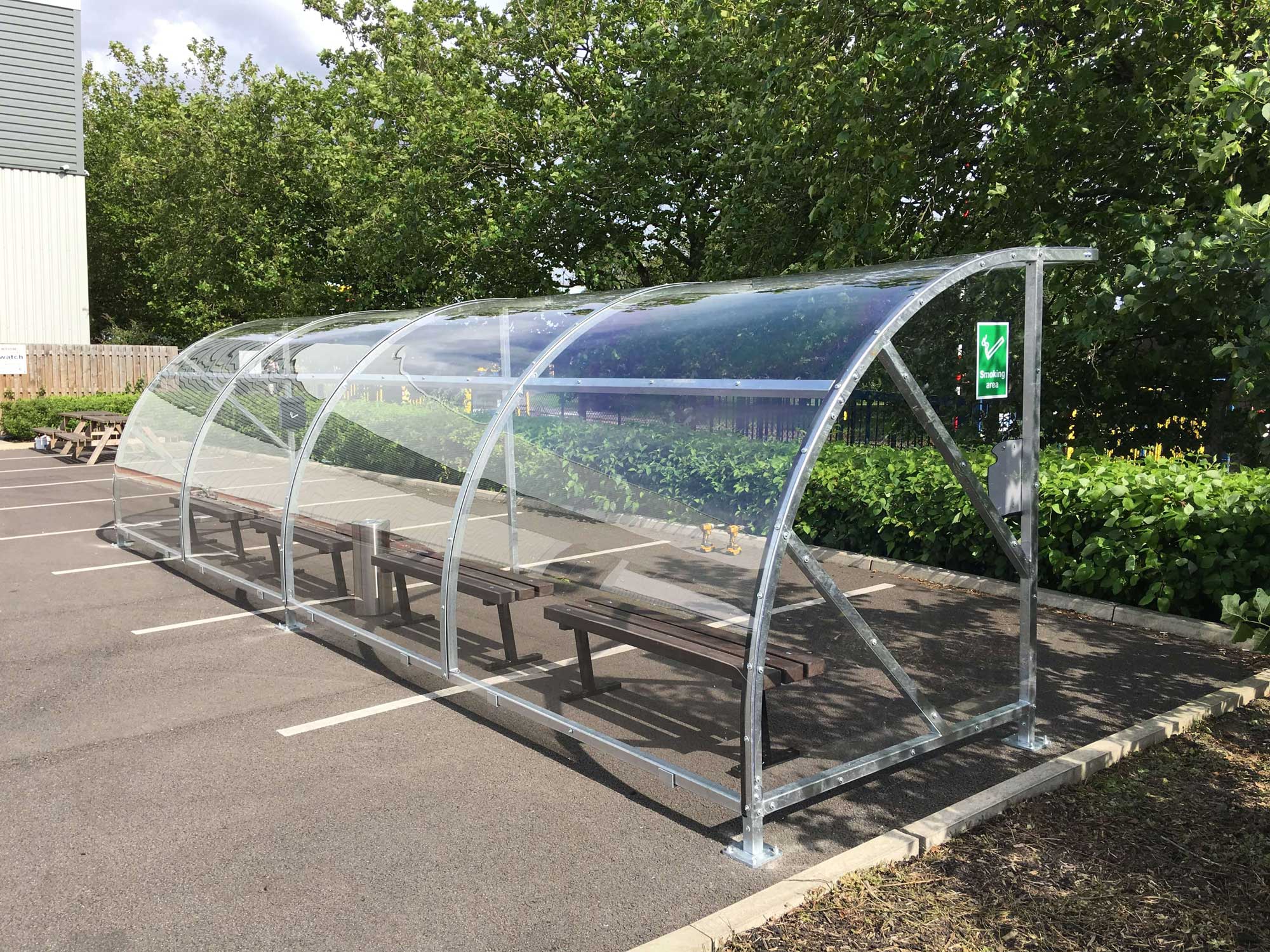
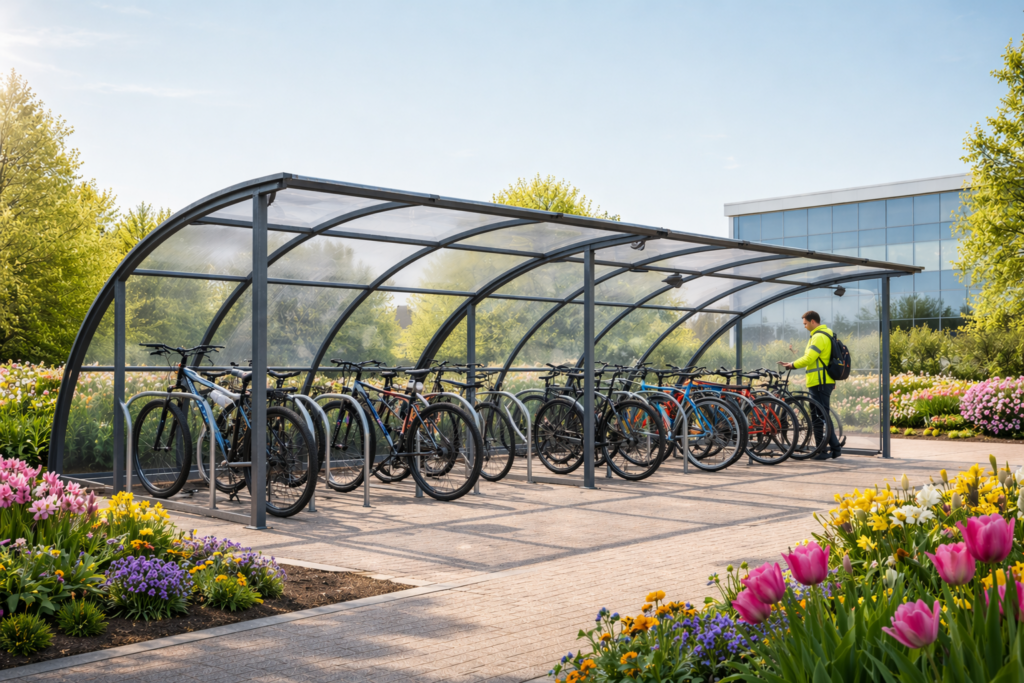
As spring arrives across the UK, cycling activity naturally increases. Warmer weather, longer daylight hours, and a growing interest in sustainable transport mean more employees, students, and visitors are choosing to cycle.
For businesses, schools, and public sector organisations, this makes it essential to ensure your cycle shelter is fully prepared for increased spring usage. A well-maintained and properly designed cycle shelter not only protects bicycles but also encourages more people to cycle, supporting both environmental and health goals.
In this guide, we explore how to prepare your cycle shelter for spring and ensure it remains secure, functional, and ready for higher demand.
Why Cycle Shelter Preparation Matters
Cycle shelters play a key role in encouraging cycling by providing secure, accessible, and weather-protected storage.
A lack of proper cycle parking can discourage people from cycling, particularly in workplace environments. Secure and well-designed shelters help reduce theft risks and make cycling a more practical and attractive option.
Cycle shelters also support sustainability goals by promoting active travel and reducing reliance on cars. For organisations, this can lead to improved employee wellbeing and a more environmentally responsible workplace.
Inspect the Structure After Winter
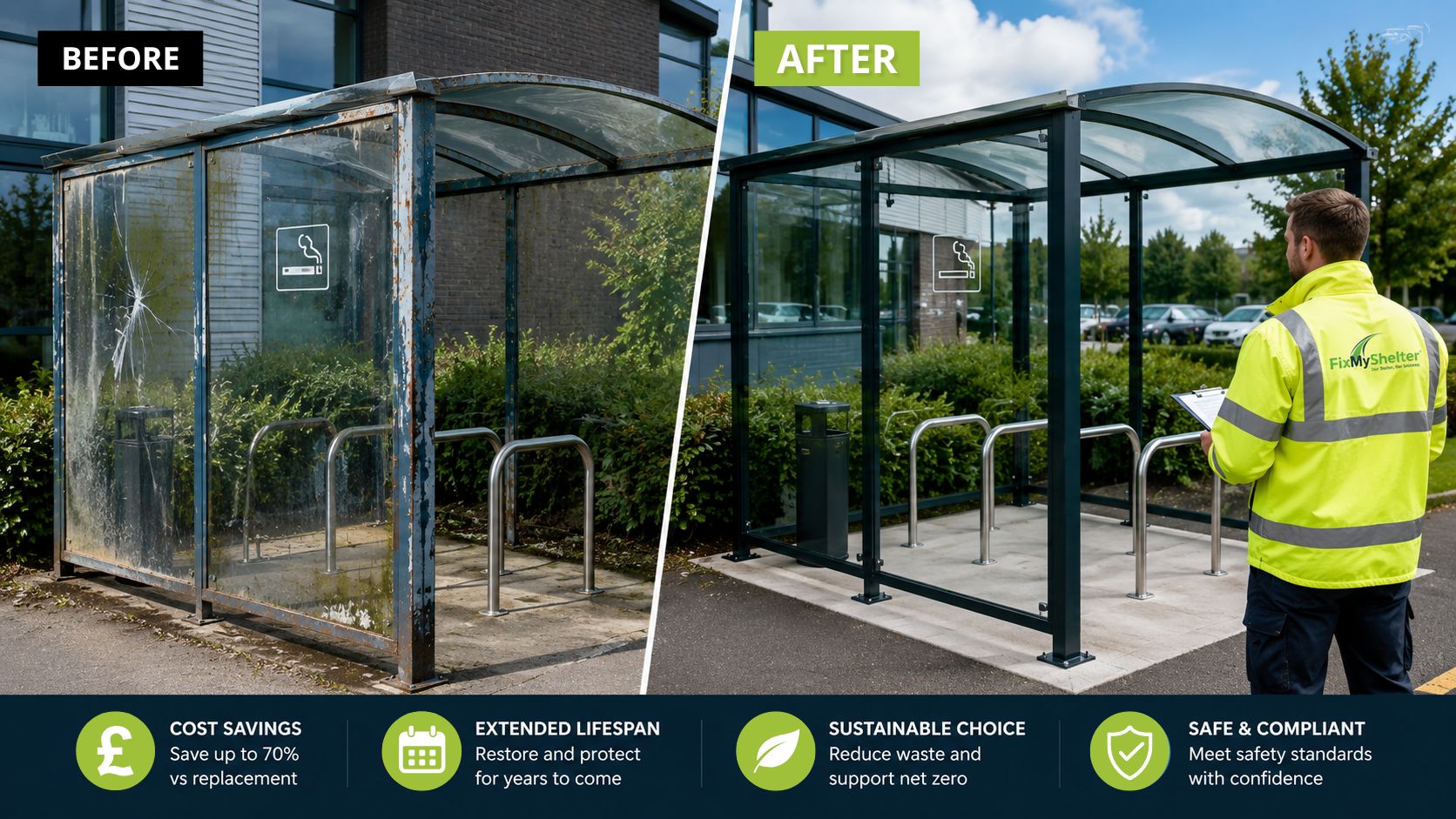
Winter weather can take a toll on outdoor structures, including cycle shelters.
Exposure to rain, frost, and wind can lead to:
- Rust or corrosion on steel frameworks
- Loose fixings or weakened joints
- Damage to the roofing or side panels
Before usage increases in spring, it is important to carry out a full inspection of the shelter.
What to check:
- Structural integrity of the frame
- Condition of roof panels and glazing
- Stability of anchoring and fixings
Addressing these issues early helps prevent more serious damage later and ensures the shelter remains safe and durable.
Clean and Restore the Shelter
A clean and well-maintained cycle shelter creates a positive impression and encourages usage.
Over winter, shelters can accumulate:
- Dirt, debris, and leaves
- Moss or algae on surfaces
- General wear affects the appearance
Cleaning your shelter improves both aesthetics and functionality.
Key actions:
- Pressure wash surfaces
- Remove debris and obstructions
- Clean roofing panels for better visibility
A tidy and well-presented shelter signals to users that cycling is supported and valued.
Check Security and Theft Prevention
Security is one of the most important factors influencing whether people choose to cycle.
Cycle shelters are designed to provide a secure environment where bikes can be locked safely using racks or stands. However, if security features are outdated or insufficient, users may avoid using the facility.
Security upgrades to consider:
- Install Sheffield stands or secure bike racks
- Improve lighting for visibility and safety
- Ensure the shelter is located in a visible, well-used area
A secure cycle shelter not only protects bikes but also builds trust with users.
Ensure Weather Protection Is Effective
Spring weather in the UK can still be unpredictable, with rain showers and fluctuating temperatures.
Cycle shelters should provide reliable protection against:
- Rain and moisture
- Wind exposure
- UV damage
Proper shelter design helps protect bicycles from weather-related wear and damage, which can discourage cycling if bikes are left exposed.
What to check:
- Roof condition and drainage
- Side panel coverage
- Water pooling or leaks
Upgrading materials such as UV-resistant polycarbonate can improve durability and protection.
Assess Capacity and Usage
Spring often brings an increase in cycling, which can quickly highlight capacity issues.
If your cycle shelter is frequently full or overcrowded, it may discourage use and lead to:
- Bikes being stored improperly
- Increased risk of damage or theft
- Cluttered and unsafe environments
Providing sufficient cycle parking is essential to supporting active travel.
Questions to consider:
- Is there enough space for the current demand?
- Are bikes being stored outside the shelter?
- Has cycling increased since installation?
If demand has grown, expanding or upgrading your shelter may be necessary.
Improve Accessibility and Layout
A well-designed cycle shelter should be easy to use and accessible for all users.
Poor layout can lead to frustration and reduced usage.
Key improvements:
- Ensure easy entry and exit
- Provide sufficient spacing between racks
- Position shelters close to building entrances while maintaining safety
Convenient and accessible cycle parking is a major factor in encouraging more people to cycle regularly.
Upgrade for Modern Needs
Cycle shelters are evolving to meet modern requirements, including sustainability and new types of bicycles.
Many organisations are now upgrading shelters to include:
- Space for electric bikes
- Charging facilities
- Improved lighting systems
- Branding or signage
High-quality cycle parking facilities are associated with increased cycling participation and improved user satisfaction.
Spring is the perfect time to make these upgrades.
Support Sustainability and Active Travel Goals
Cycle shelters are more than just storage solutions. They are part of a wider strategy to promote sustainable transport.
Encouraging cycling can:
- Reduce carbon emissions
- Improve employee health and wellbeing
- Decrease congestion and parking demand
Cycling also supports productivity, as regular cyclists often experience improved physical and mental health.
By maintaining and upgrading your cycle shelter, you actively support these goals.
Why Spring Is the Best Time to Act
Spring offers ideal conditions for maintenance and refurbishment:
- Milder weather allows for efficient repairs
- Increased daylight improves installation times
- Preparation ensures readiness for peak usage
Refurbishing your cycle shelter now helps avoid disruptions later and ensures your facility is fully functional when demand is highest.
Final Thoughts
Preparing your cycle shelter for increased spring usage is a simple but highly effective way to improve your site, support sustainability, and enhance user experience.
To summarise, key steps include:
- Inspecting the structure after winter
- Cleaning and restoring the shelter
- Improving security features
- Ensuring effective weather protection
- Assessing capacity and accessibility
- Upgrading for modern cycling needs
A well-maintained cycle shelter not only protects bicycles but also encourages more people to cycle, helping your organisation meet environmental, health, and operational goals.