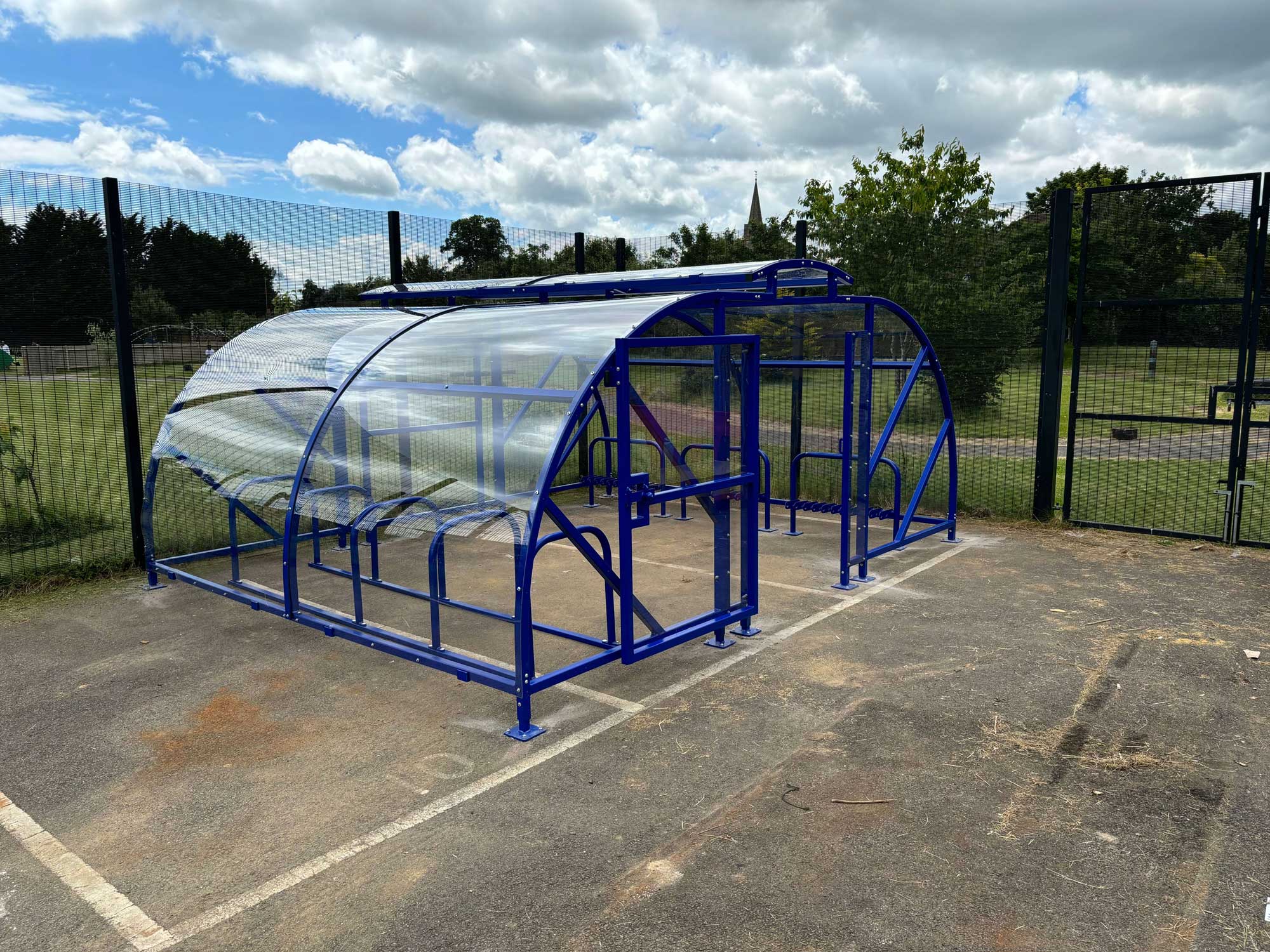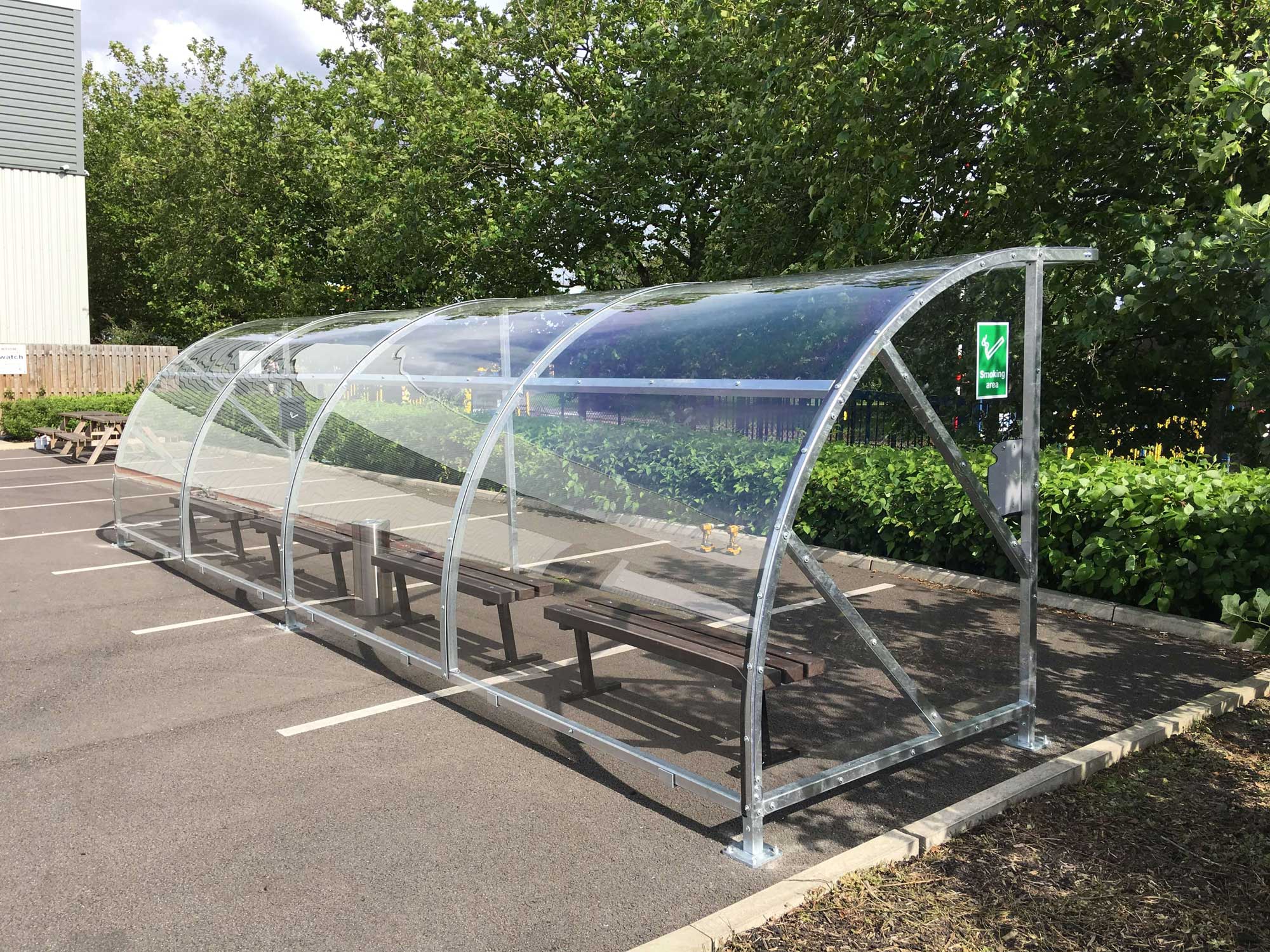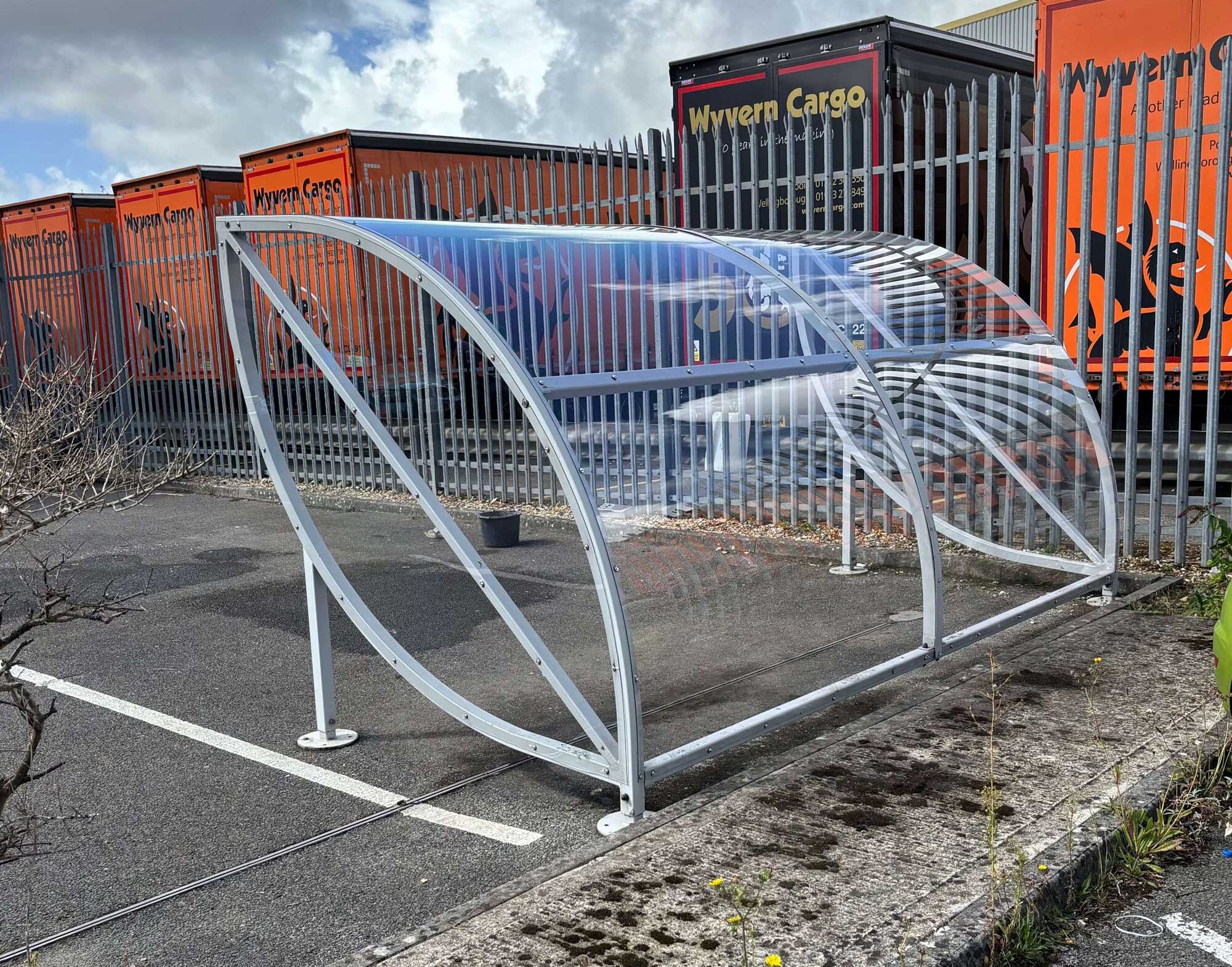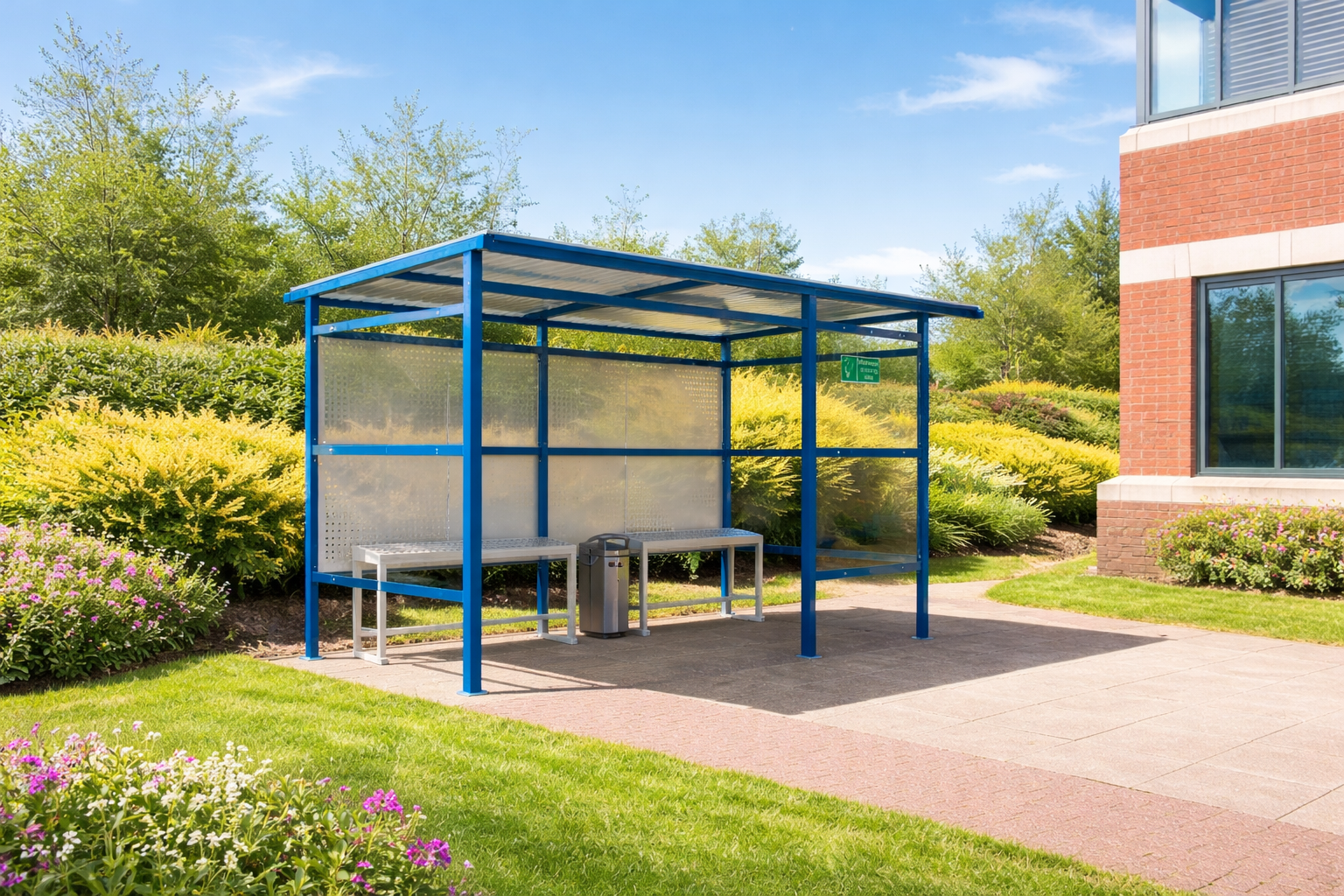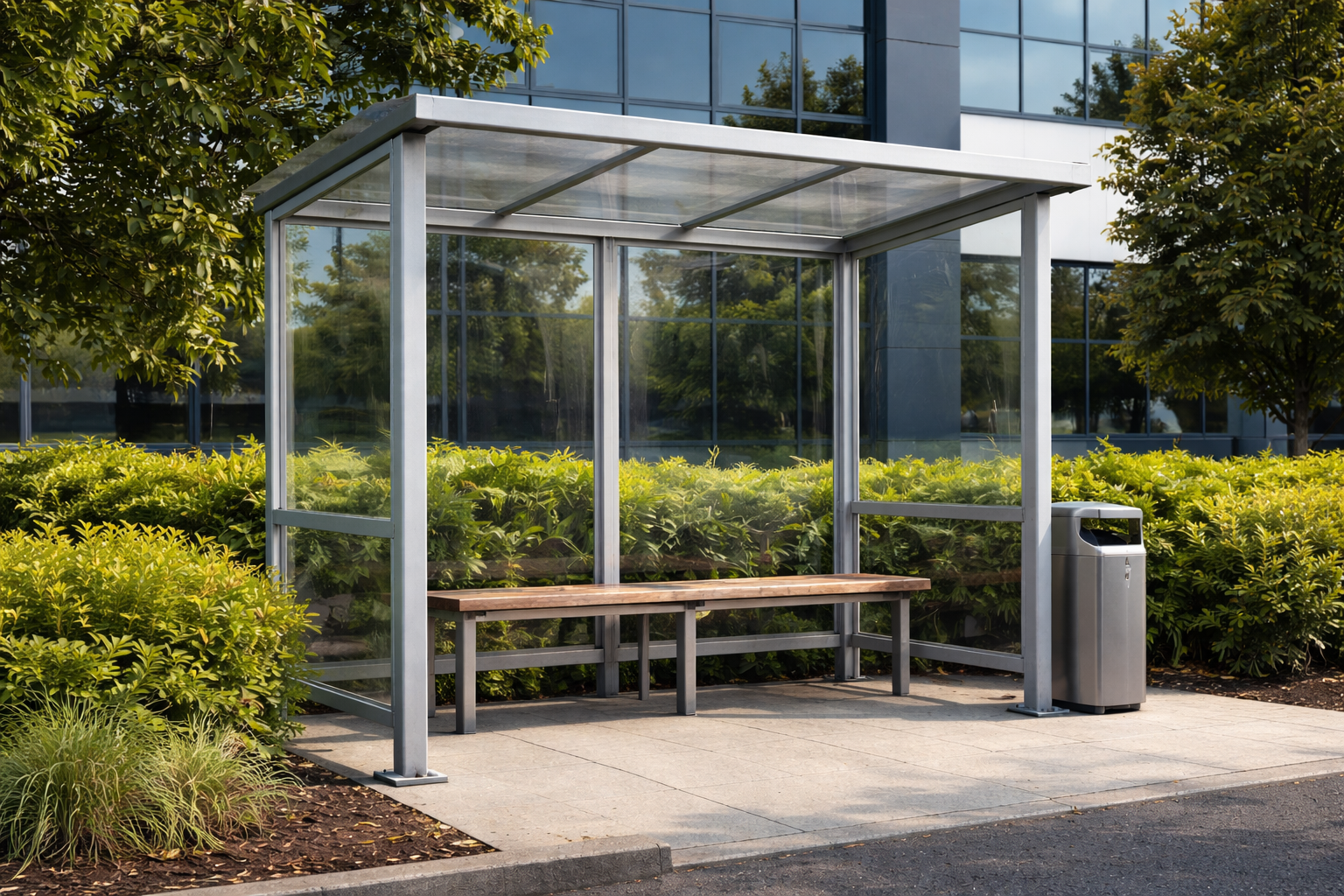
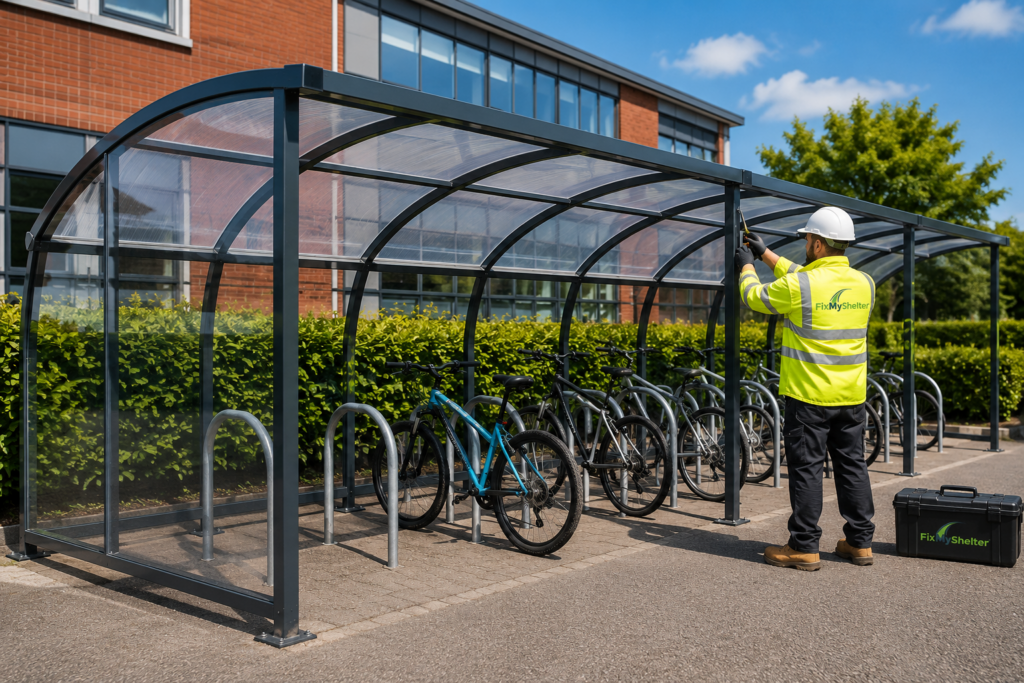
Many organisations assume that once a cycle shelter, smoking shelter, waiting shelter or covered walkway begins to show signs of age, the only option is a complete replacement. In reality, this is often unnecessary.
Across schools, hospitals, workplaces, leisure centres and public sector sites throughout the UK, many outdoor shelters can be successfully refurbished at a fraction of the cost of installing a brand-new structure. In most cases, the main framework remains structurally sound long after certain components have become worn, damaged or outdated. Refurbishment allows these individual elements to be repaired, restored or upgraded while retaining the existing shelter structure.
At Fix My Shelter, we regularly help organisations extend the life of their existing shelters through targeted refurbishment solutions that improve appearance, safety and performance without the expense and disruption of a full replacement.
Why Refurbish a Shelter Instead of Replacing It?
Before looking at the components that can be refurbished, it is worth understanding why refurbishment is becoming increasingly popular.
A professional shelter refurbishment can:
- Reduce costs compared to complete replacement
- Extend the lifespan of existing infrastructure
- Improve safety and compliance
- Enhance the appearance of your site
- Reduce waste sent to landfill
- Support sustainability and carbon reduction initiatives
- Minimise disruption to site users
Many cycle shelters and smoking shelters have galvanised steel frameworks that can remain serviceable for decades, even when other parts of the shelter have deteriorated. This makes refurbishment an attractive and environmentally responsible option.
1. Glazing Panels
One of the most commonly refurbished shelter components is the glazing panel system.
Over time, Perspex, PETG and polycarbonate panels can become:
- Cracked
- Scratched
- Yellowed
- Cloudy
- Graffiti damaged
- Broken due to vandalism
In many cases, the steel structure remains perfectly usable while only the panels require replacement.
New glazing panels instantly transform the appearance of a shelter while improving visibility, weather protection and user safety. Modern UV-resistant materials can also provide greater durability and a longer service life than older installations.
For schools especially, glazing panel replacement is often the most cost-effective cycle shelter refurbishment solution available.
2. Shelter Framework and Steel Structure
A faded or corroded shelter frame does not necessarily mean the shelter has reached the end of its life.
Professional shelter refurbishment can include:
- Rust removal
- Surface preparation
- Steel repairs
- Anti-corrosion treatment
- Powder coating
- Specialist paint recoating
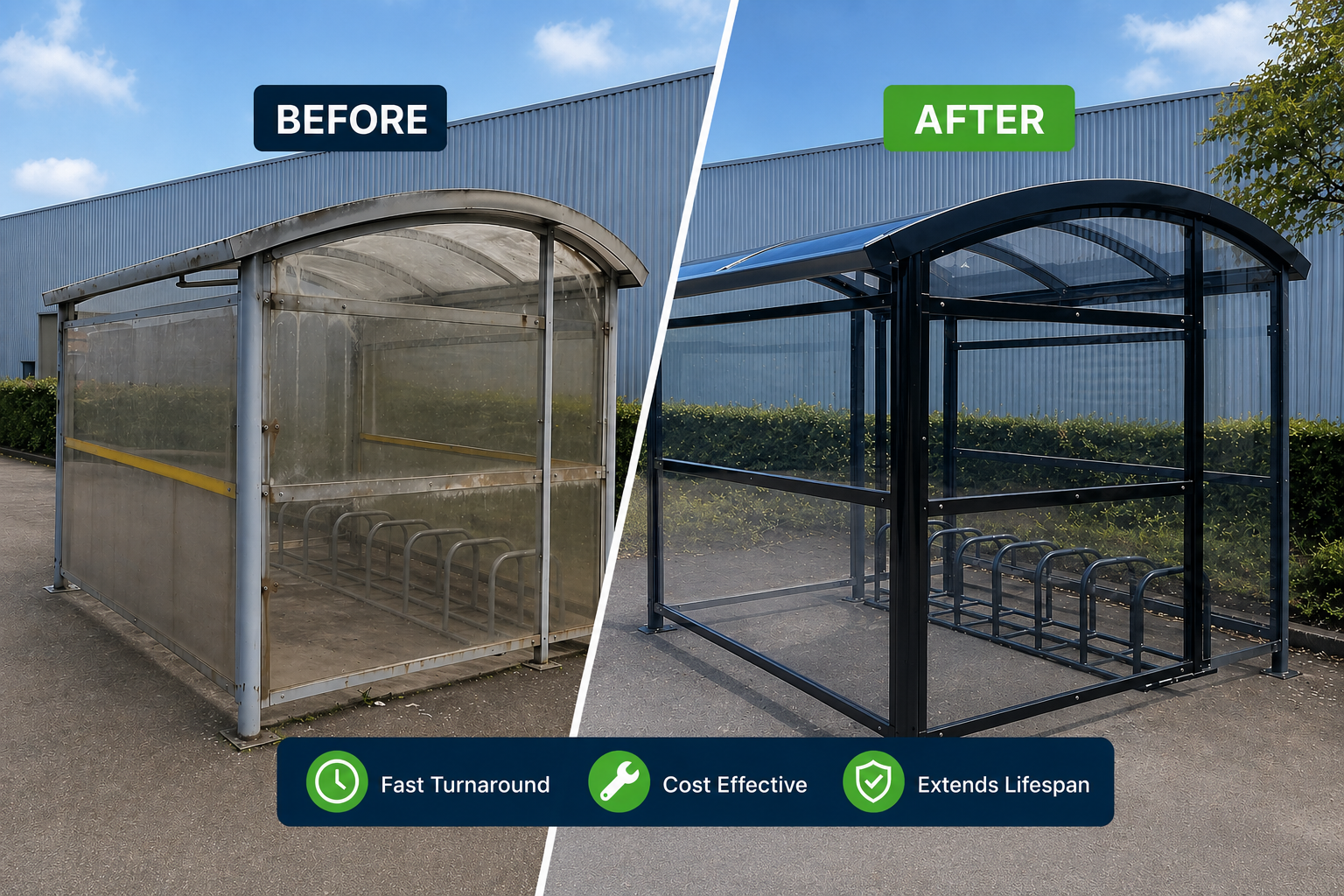
Exposure to rain, UV rays and pollution can cause painted surfaces to deteriorate over time. However, if the underlying structure remains sound, recoating the frame can dramatically improve appearance while providing additional protection against future corrosion.
Many refurbished cycle shelters look almost identical to newly installed shelters once the framework has been professionally restored.
3. Roof Panels
Roof panels often suffer significant wear due to constant exposure to the British weather.
Common issues include:
- Cracking
- Water ingress
- UV degradation
- Discolouration
- Storm damage
Replacing damaged roof sheets can restore weather protection without the need to remove or replace the entire shelter.
Modern roofing materials can also improve durability and reduce future maintenance requirements, making this a popular option for cycle shelter maintenance programmes.
4. Fixings, Brackets and Fasteners
Although often overlooked, small components can have a major impact on shelter safety.
During a shelter refurbishment project, contractors frequently replace:
- Bolts
- Nuts
- Washers
- Brackets
- Anchor fixings
- Panel clips
Over time, these components can loosen, corrode or become damaged through regular use and vandalism.
Replacing these elements helps restore structural integrity while reducing future maintenance issues.
5. Cycle Stands and Parking Equipment
For bike shelters, the shelter itself may be in reasonable condition while the cycle parking equipment has become damaged or outdated.
Refurbishment can include:
- Replacement cycle stands
- Additional cycle parking capacity
- Improved rack configurations
- Security upgrades
This approach allows organisations to modernise their cycling facilities without replacing the entire shelter structure.
Many schools and workplaces choose this route when encouraging sustainable travel and increasing cycling participation.
6. Shelter Signage and Branding
Older shelters often feature faded signage or outdated branding.
Refurbishment presents an opportunity to:
- Install new signage
- Update company branding
- Improve wayfinding
- Add safety notices
- Introduce site-specific graphics
These relatively small improvements can significantly enhance the overall appearance of a facility while maintaining a professional image.
7. Benches and Internal Accessories
Smoking shelters, waiting shelters and public transport shelters often include seating and accessories that can be upgraded during refurbishment.
Examples include:
- Replacement benches
- New seating systems
- Litter bins
- Ash disposal units
- Notice boards
- Information displays
These additions improve user experience while extending the usefulness of the shelter.
8. Lighting and Safety Enhancements
Many older shelters were installed before modern lighting solutions became widely available.
Refurbishment provides an excellent opportunity to introduce:
- LED lighting
- Solar-powered lighting
- Security improvements
- Anti-vandal solutions
- Reflective safety features
These upgrades can improve visibility and user confidence while helping organisations meet modern safety expectations.
When Is Replacement the Better Option?
While refurbishment is often the most cost-effective solution, there are occasions where replacement becomes necessary.
Complete replacement may be recommended if:
- The main structure has suffered severe corrosion
- The shelter has been struck by vehicles
- Foundations have failed
- Structural integrity has been compromised
- The shelter no longer meets operational requirements
A professional site survey can determine whether refurbishment remains viable or whether replacement would offer better long-term value.
Refurbishment Can Deliver Outstanding Results
Many organisations are surprised by how much can be achieved through a professional shelter refurbishment programme.
New glazing panels, a freshly recoated frame, upgraded fixings and modern accessories can completely transform an ageing shelter. In many cases, the finished result looks almost indistinguishable from a brand-new installation while costing significantly less and generating far less waste.
Need Expert Shelter Refurbishment Advice?
At Fix My Shelter, we specialise in cycle shelter refurbishment, smoking shelter refurbishment, glazing panel replacement, shelter recoating and complete shelter restoration services across the UK.
Whether your shelter requires new panels, a full frame recoat or a complete refurbishment programme, our experienced team can help extend its lifespan while saving you money compared to replacement.
Contact Fix My Shelter today to discuss your shelter refurbishment project and discover how much of your existing structure can be restored rather than replaced.