As businesses, schools, NHS facilities, councils, and commercial sites move through the second quarter of the year, now is the ideal time to review the condition of your outdoor shelters and plan refurbishment works before summer demand increases. Whether you manage smoking shelters, cycle shelters, waiting shelters, or covered walkways, budgeting for refurbishment before the end of Q2 can help avoid emergency repair costs, extend asset lifespan, and improve site appearance ahead of peak seasonal use.
At Fix My Shelter, refurbishment projects across the UK often show that many shelters do not require complete replacement. In many cases, replacing damaged glazing panels, recoating steel frameworks, and carrying out targeted repairs can restore shelters to a near-new condition at a significantly lower cost than purchasing entirely new structures.
Why Q2 Is the Best Time to Budget for Shelter Refurbishment
Planning shelter refurbishment before the end of Q2 offers several advantages for businesses and public sector organisations.
During spring and early summer, outdoor areas receive heavier daily use. Employees use smoking shelters more frequently, while warmer weather often increases cycling uptake, putting additional pressure on cycle shelters and bike storage areas. Addressing refurbishment needs early allows organisations to schedule works before problems worsen or before autumn and winter weather accelerates deterioration.
Early budgeting also helps businesses:
- Spread maintenance costs across the financial year
- Avoid emergency replacement expenses
- Minimise operational disruption
- Improve health and safety compliance
- Support sustainability and carbon reduction goals
Fix My Shelter highlights that refurbishment can provide up to 70% cost savings compared to full shelter replacement in many cases.
For organisations operating multiple shelters across sites, proactive budgeting can create substantial long-term savings.
Common Signs Your Shelter Needs Refurbishment
Before setting a refurbishment budget, it is important to assess the condition of your existing shelters.
Common issues include:
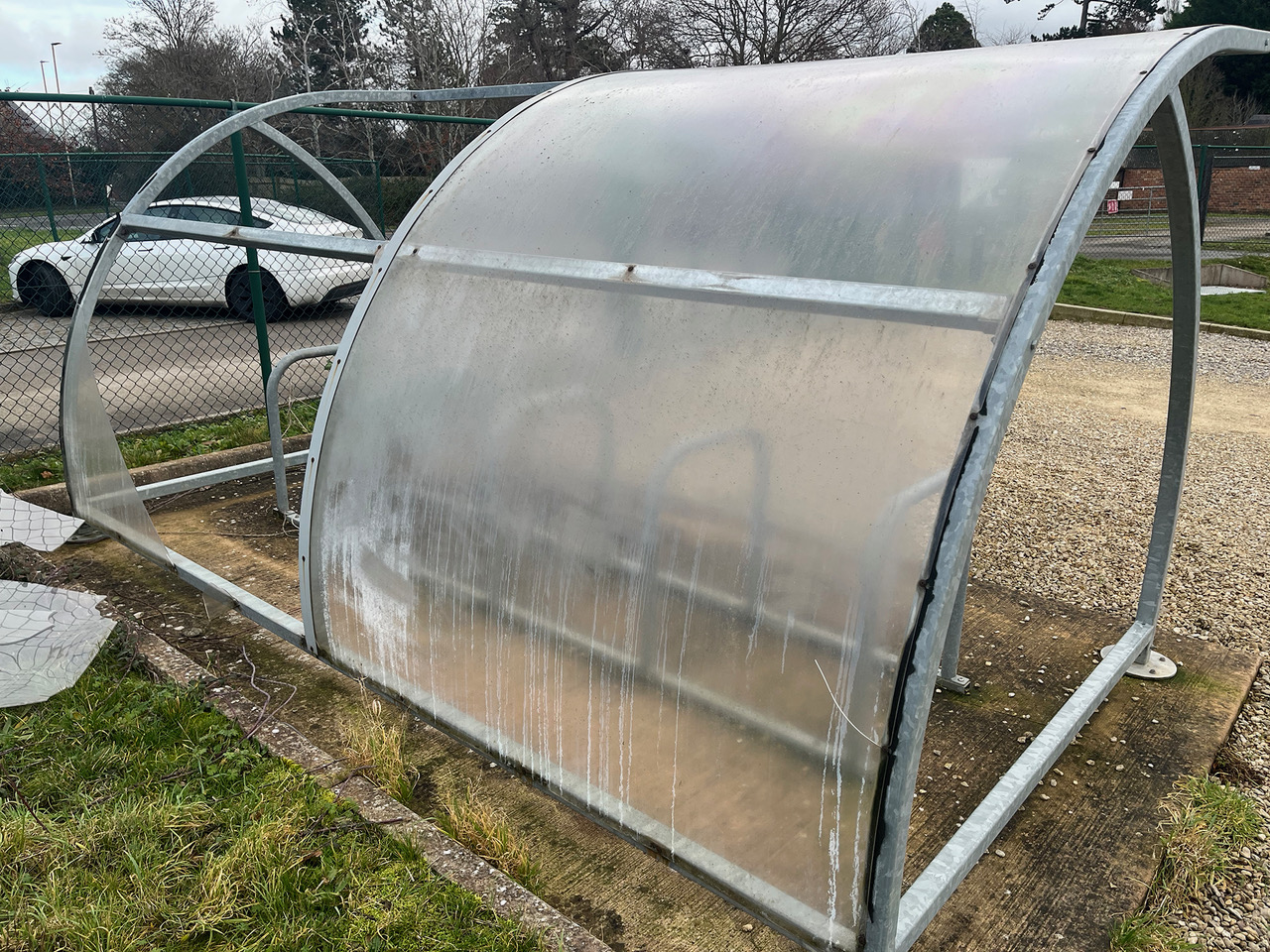
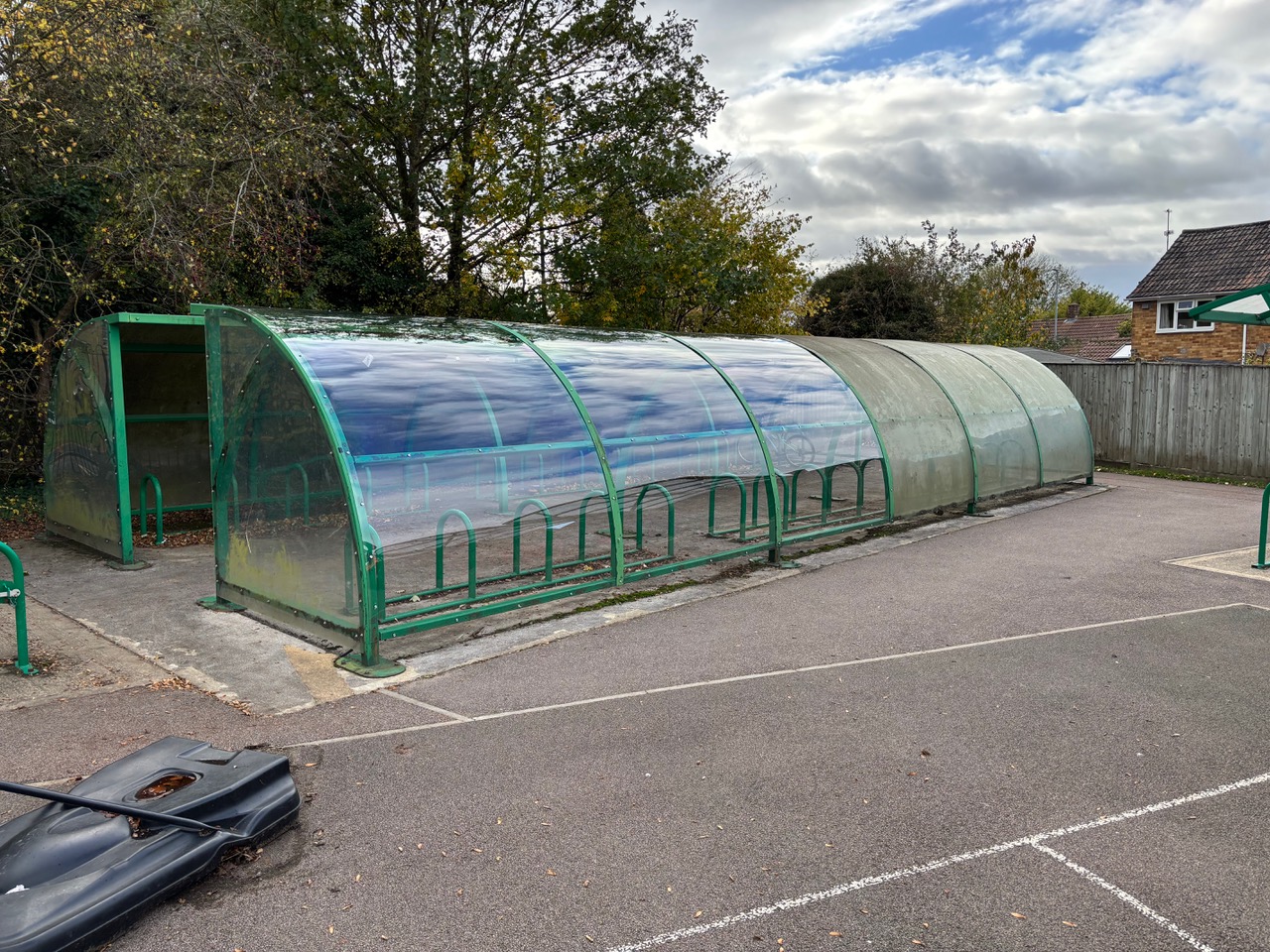
- Cracked or cloudy Perspex glazing panels
- Rusting steel framework
- Peeling paint coatings
- Loose fixings and rattling panels
- Water ingress and roof damage
- Graffiti or vandalism damage
- Structural wear from long-term weather exposure
Cycle shelters and smoking shelters are especially vulnerable to UK weather conditions throughout winter. Exposure to rain, UV rays, pollution, and temperature fluctuations can gradually weaken materials and reduce shelter performance.
If these issues are ignored, minor repairs can quickly become major structural problems requiring complete replacement.
What Should Be Included in Your Refurbishment Budget?
A proper shelter refurbishment budget should account for both immediate repairs and long-term performance improvements.
1. Glazing Panel Replacement
One of the most common refurbishment requirements is replacing damaged or worn glazing panels.
Over time, polycarbonate and Perspex panels can become discoloured, cracked, or unsafe. Replacing these panels improves visibility, weather protection, and overall appearance.
Fix My Shelter provides glazing panel replacement services for cycle shelters, smoking shelters, and waiting shelters using durable UV-resistant materials designed for long-term outdoor use.
2. Steel Frame Recoating
If the shelter structure remains sound, recoating the existing framework can dramatically improve appearance while protecting against corrosion.
Professional refurbishment often includes:
- rust removal
- surface preparation
- anti-corrosion treatment
- powder coating or protective repainting
This process extends the lifespan of outdoor shelters while avoiding unnecessary replacement costs.
3. Structural Repairs
Some shelters may require minor structural reinforcement or repairs to damaged sections.
Budgeting for these works early prevents more expensive repairs later and helps maintain compliance with workplace safety standards.
4. Labour and Installation Costs
When budgeting for shelter refurbishment, installation and labour costs should also be considered.
Working with an experienced refurbishment specialist helps ensure works are completed efficiently with minimal disruption to staff, students, visitors, or site operations.
Fix My Shelter provides nationwide refurbishment services designed to minimise operational disruption across schools, healthcare sites, commercial premises, and industrial facilities.
Refurbishment vs Full Shelter Replacement
One of the biggest budgeting decisions is whether to refurbish or completely replace a shelter.
In many cases, refurbishment is the smarter investment.
If the steel framework remains structurally stable, targeted refurbishment can restore performance and appearance without the higher costs associated with full replacement.
Benefits of refurbishment include:
- lower upfront costs
- reduced downtime
- faster project completion
- less waste sent to landfill
- improved sustainability performance
Fix My Shelter specifically promotes refurbishment as a cost-effective and eco-friendly alternative to full shelter replacement.
However, replacement may be necessary if:
- The framework is structurally unsafe
- Corrosion is severe
- Damage affects major structural components
- The shelter no longer meets operational requirements
A professional site assessment can help determine the most cost-effective solution.
Sustainability Benefits of Shelter Refurbishment
Many UK organisations are under increasing pressure to improve sustainability performance and reduce waste.
Refurbishing existing smoking shelters and cycle shelters helps reduce environmental impact by retaining usable structures rather than replacing entire units unnecessarily.
Fix My Shelter emphasises that refurbishment supports sustainability goals by reducing landfill waste and extending the usable lifespan of existing infrastructure.
For businesses working toward ESG targets or net zero commitments, refurbishment can support wider environmental initiatives while also reducing costs.
Industries That Benefit Most from Shelter Refurbishment
Shelter refurbishment is particularly valuable for:
- schools and universities
- NHS hospitals and healthcare sites
- offices and business parks
- warehouses and distribution centres
- councils and public sector sites
- retail parks and leisure facilities
Many of these organisations operate multiple outdoor shelters across large estates, making refurbishment a highly cost-effective asset management strategy.
Planning Ahead Before Summer Demand Increases
As Q2 progresses, refurbishment demand often increases ahead of summer improvement projects and school holiday maintenance schedules.
Planning works early allows organisations to:
- secure preferred installation dates
- avoid seasonal delays
- complete works during quieter operational periods
- prepare sites for increased summer usage
Waiting too long can result in higher repair costs and longer lead times during peak refurbishment periods.
Final Thoughts
Budgeting for shelter refurbishment before the end of Q2 is one of the smartest ways to protect outdoor infrastructure, reduce long-term maintenance costs, and improve the appearance and safety of your site.
For many businesses and organisations, smoking shelter refurbishment and cycle shelter refurbishment provide a practical alternative to costly full replacements. By replacing damaged glazing panels, restoring steel frameworks, and carrying out targeted repairs, existing shelters can often be transformed into modern, professional-looking structures with many more years of service life ahead.
Fix My Shelter specialises in cost-effective shelter refurbishment solutions across the UK, helping businesses, schools, NHS facilities, and commercial sites extend the lifespan of their outdoor shelters while reducing waste and controlling maintenance budgets.