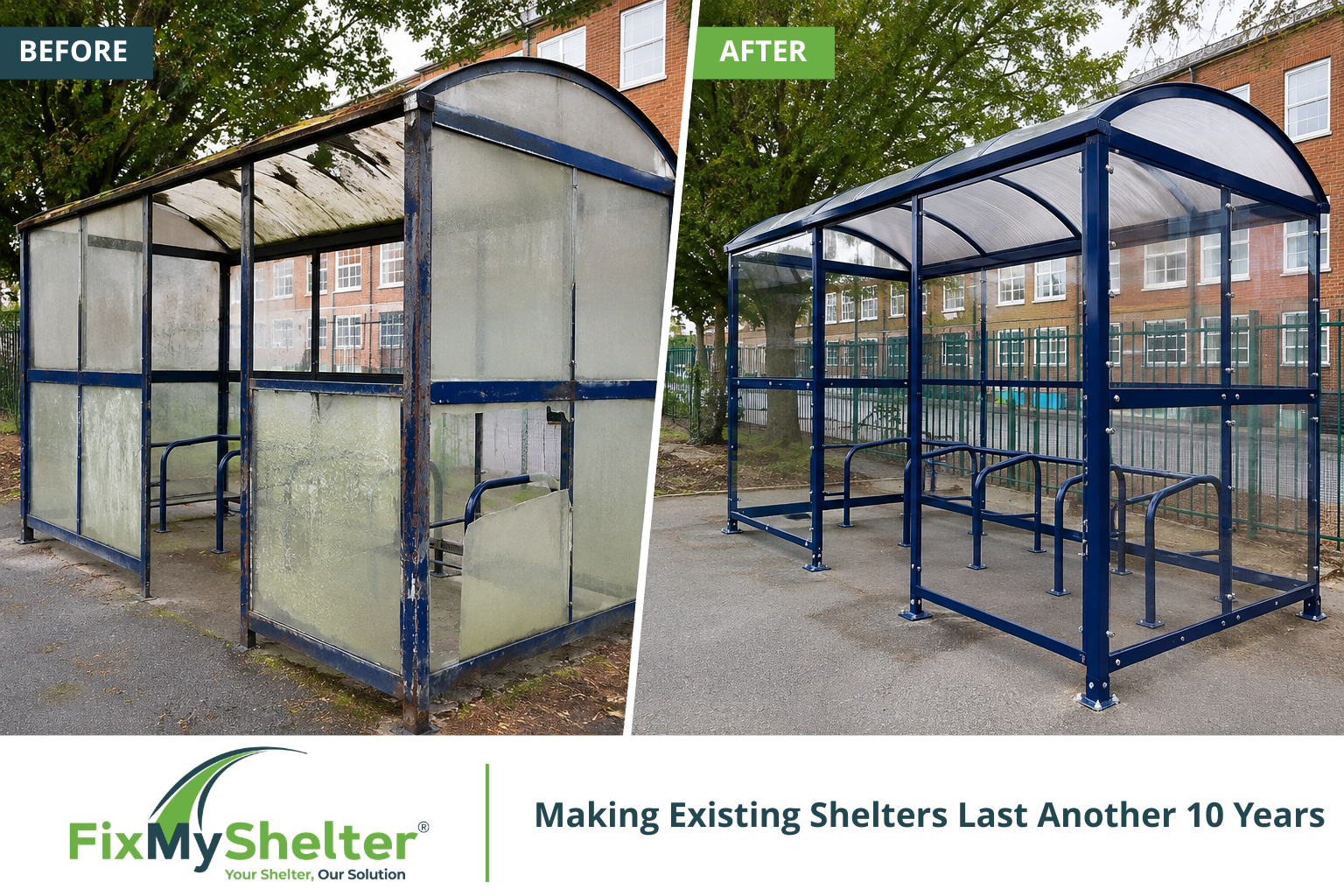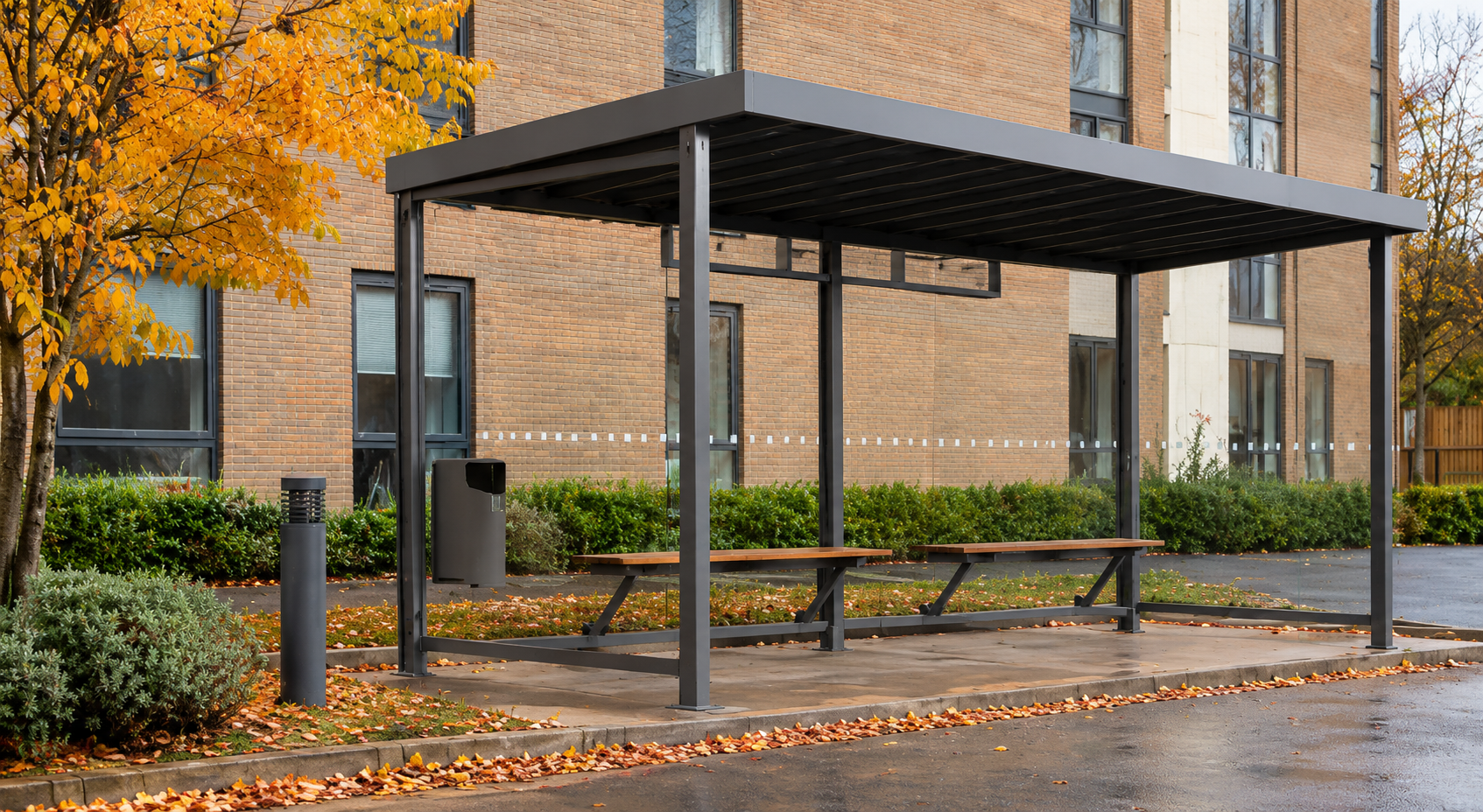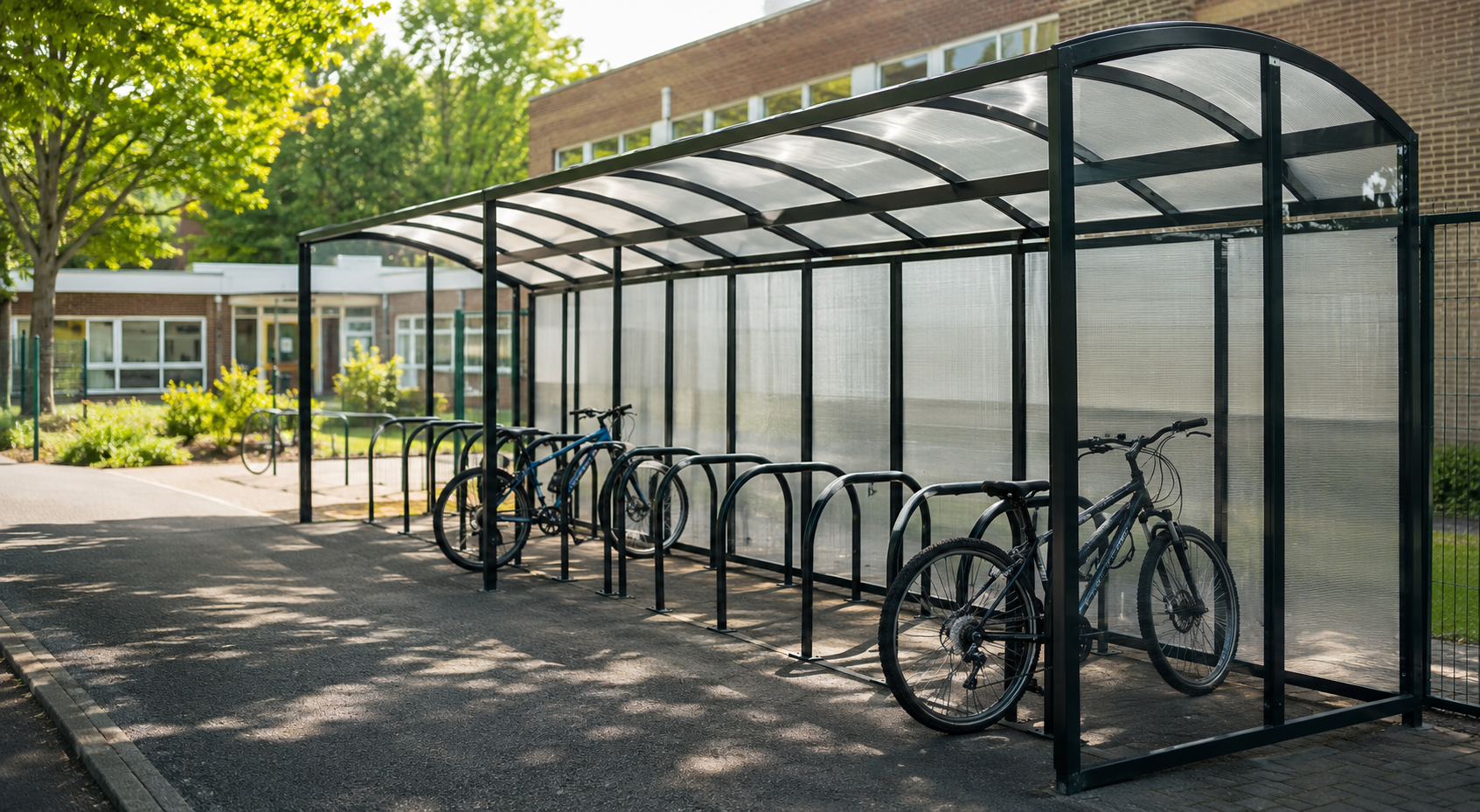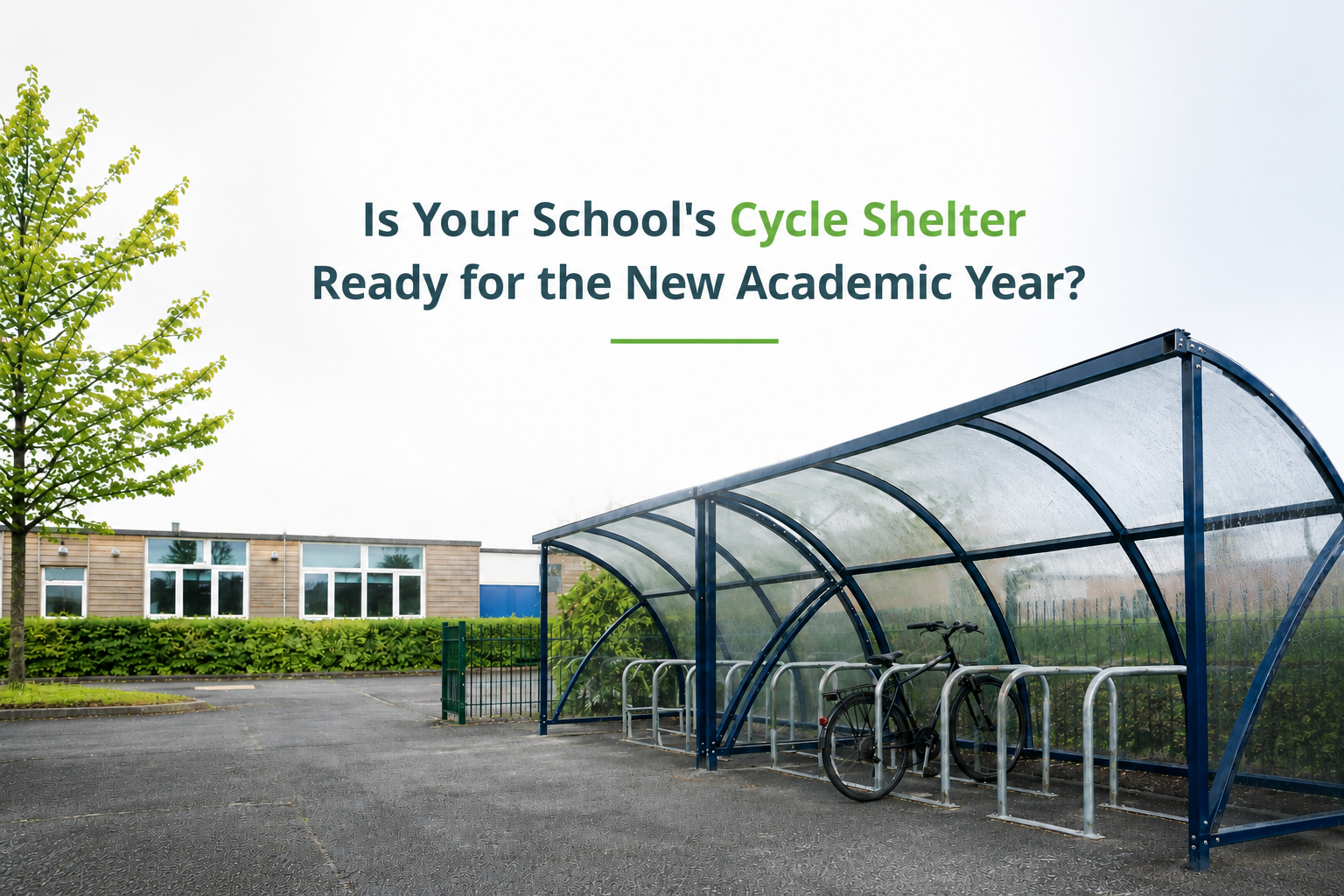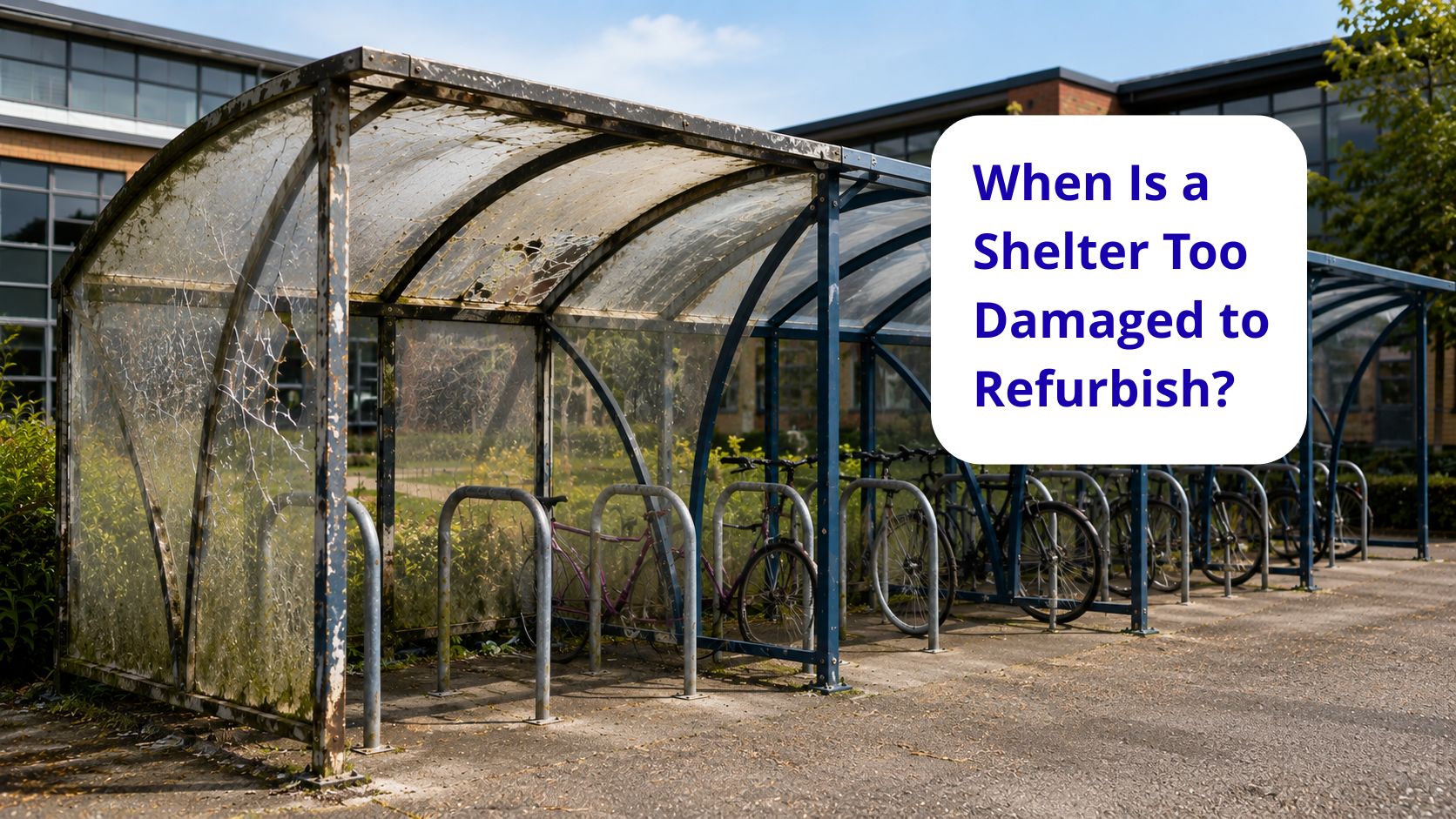
Outdoor shelters work hard in the UK. They sit out in wind, rain, grit, UV, and daily use, often on busy sites like schools, warehouses, offices, hospitals, and public buildings. Over time, even a well-built smoking shelter or cycle shelter can start to look tired: cloudy glazing panels, loose fixings, rust spots, rattling roofs, worn seating, or water getting where it shouldn’t.
At that point, many site managers jump straight to “replace the whole thing.” But in a lot of cases, refurbishment can be the smarter, faster, and more cost-effective option, especially when the main frame is still structurally sound. And it can be the difference between a shelter that becomes a constant maintenance headache… and one that looks and performs like new again.
At Fix My Shelter, we work with organisations across the UK to help them extend the life of existing shelters through practical, targeted refurbishment, often focused on the parts that fail first (like glazing panels, fixings, and protective finishes).
First: what “ageing” really looks like on shelters
Some shelter problems are obvious. Others quietly increased risk and cost over time.
Common signs your outdoor shelter is due for refurbishment include:
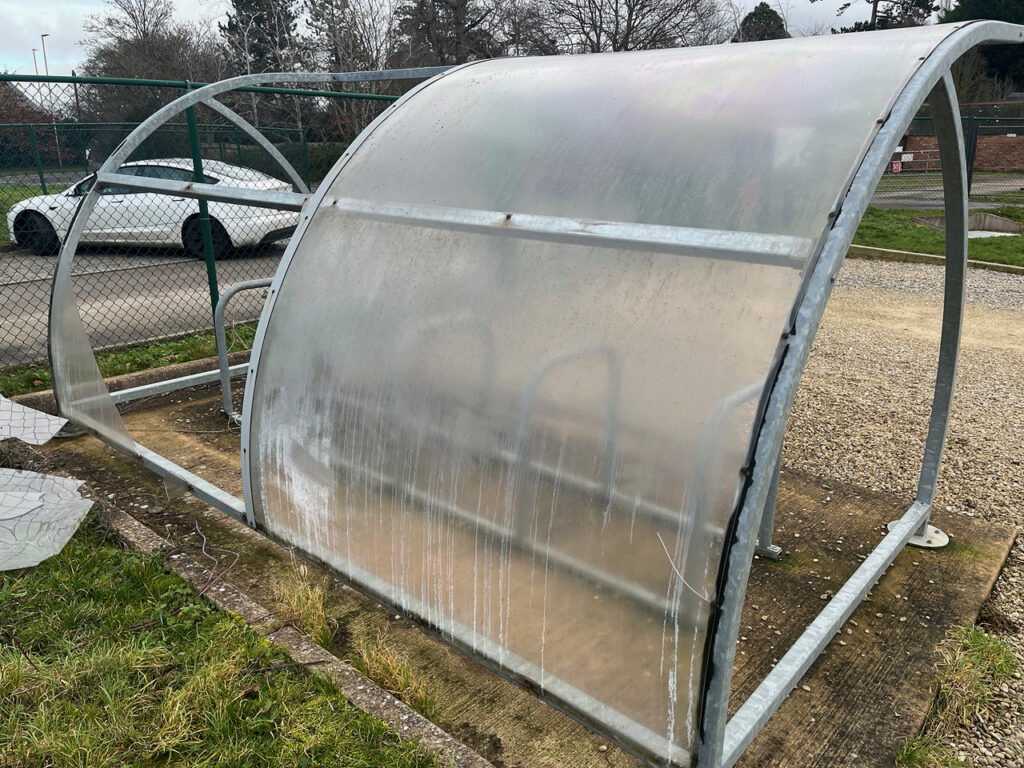
- Cloudy, yellowing, or cracked glazing (polycarbonate/Perspex/PETG panels can degrade from weathering, UV rays and constant impact)
- Leaks or water pooling from failed seals, warped sheets, or blocked drainage paths
- Corrosion or flaking paint on frames, brackets, and fixings
- Loose panels, rattles, or vibration in windy conditions
- Reduced usability (darker shelter due to clouded panels, poor weather protection, or “it just looks run down”)
- Vandal damage to panels, doors, seating, or signage
If the frame is fundamentally sound, these issues are often refurbishment issues, not replacement issues.
The real reason refurbishment wins is cost, downtime, and disruption
A full replacement can mean removing an existing structure, arranging disposal, preparing a base, coordinating deliveries and installation teams, and potentially dealing with approvals, plus the downtime while the shelter is out of use.
Refurbishment can reduce that disruption because you’re improving what’s already there. In practical terms, refurb work often focuses on:
- replacing damaged or aged plastic sheets
- renewing fixings and seals
- repainting or re-protecting the steelwork
- upgrading worn accessories (bins, seating, signage, etc.)
Fix My Shelter specifically highlights refurbishment as a way to “get the most out of your pre-existing shelter rather than a complete replacement”, keeping shelters functional and visually appealing.
Refurbishment can support compliance with smoking shelters
Smoking shelters come with a key practical requirement: they must not become “too enclosed.” Local authority guidance commonly references the “50% rule” (a shelter must be less than 50% enclosed).
Why does this matter for refurbishment?
Because over time, businesses sometimes add extra panels, screens, or ad-hoc windbreaks to “improve comfort” and accidentally make the shelter non-compliant. A proper refurbishment is a good moment to:
- Check the shelter’s layout
- replace panels like-for-like where needed
- improve durability without over-enclosing the structure
And it’s worth remembering that smoke-free legislation has applied across the UK since the mid-2000s, and employers should have a clear smoking policy and protect non-smokers.
Sustainability: Refurbishing usually means less waste
Even when we’re talking about shelters (not entire buildings), the logic is the same: keeping and improving what you already have often reduces waste and avoids the environmental impact of manufacturing and transporting a full replacement.
This is consistent with the wider built environment that refurbishment can reduce environmental impact compared with demolition and replacement in many scenarios.
For many organisations, especially schools, councils, and facilities teams with sustainability targets, refurbishment is an easy win: extend asset life, reduce waste, maintain standards.
The Fix My Shelter approach: fix what fails first
In most cases, the steel frame of a shelter often outlasts the “wear parts.” At Fix My Shelter, we strongly emphasise the elements that are most refreshed during refurbishment, especially glazing panels and shelter components that take daily impact.
That matters because a good refurbishment isn’t just cosmetic. Done properly, it can improve:
- weather protection (tight, secure panels; renewed seals/fixings)
- appearance (clear panels, refreshed finishes, tidy edges)
- user experience (brighter shelter, better wind protection where appropriate)
- safety and durability (reduce sharp edges, rattles, loose components)
also supplies common shelter materials like polycarbonate and Perspex/acrylic sheets, which are widely used for side and roof glazing on smoking/vaping shelters and other outdoor structures.
When replacement is the right call
Refurbishment isn’t the answer to everything. Consider full replacement if:
- The frame is significantly corroded or structurally compromised
- The shelter is the wrong size/location for the current site needs
- The shelter design can’t meet your current requirements (capacity, access, security, DDA considerations, etc.)
- Repeated patch repairs are costing more than a planned upgrade
But if the core structure is fine, refurbishment is often the best “value per pound” decision.
A practical checklist before you decide
If you’re managing an ageing smoking shelter, cycle shelter, or waiting shelter, run through this quick decision checklist:
- Is the frame sound? (no major distortion, failure, or severe corrosion)
- Are the main issues panels, fixings, seals, and finishes? (common refurbishment targets)
- Is downtime a problem? (Refurb can often reduce disruption)
- Do you need to stay aligned with smoking shelter guidance? (avoid over-enclosing; maintain safe, sensible siting)
- Would a “like-new” refresh solve user complaints? (leaks, rattles, poor appearance, darker shelter)
If you’re ticking “yes” to most of these, refurbishment is likely the sensible route.
Conclusion: refurbish, extend, and protect your investment
Outdoor shelters are assets. And like any asset, they last longer when you maintain them properly and refurbish the parts that wear out first.
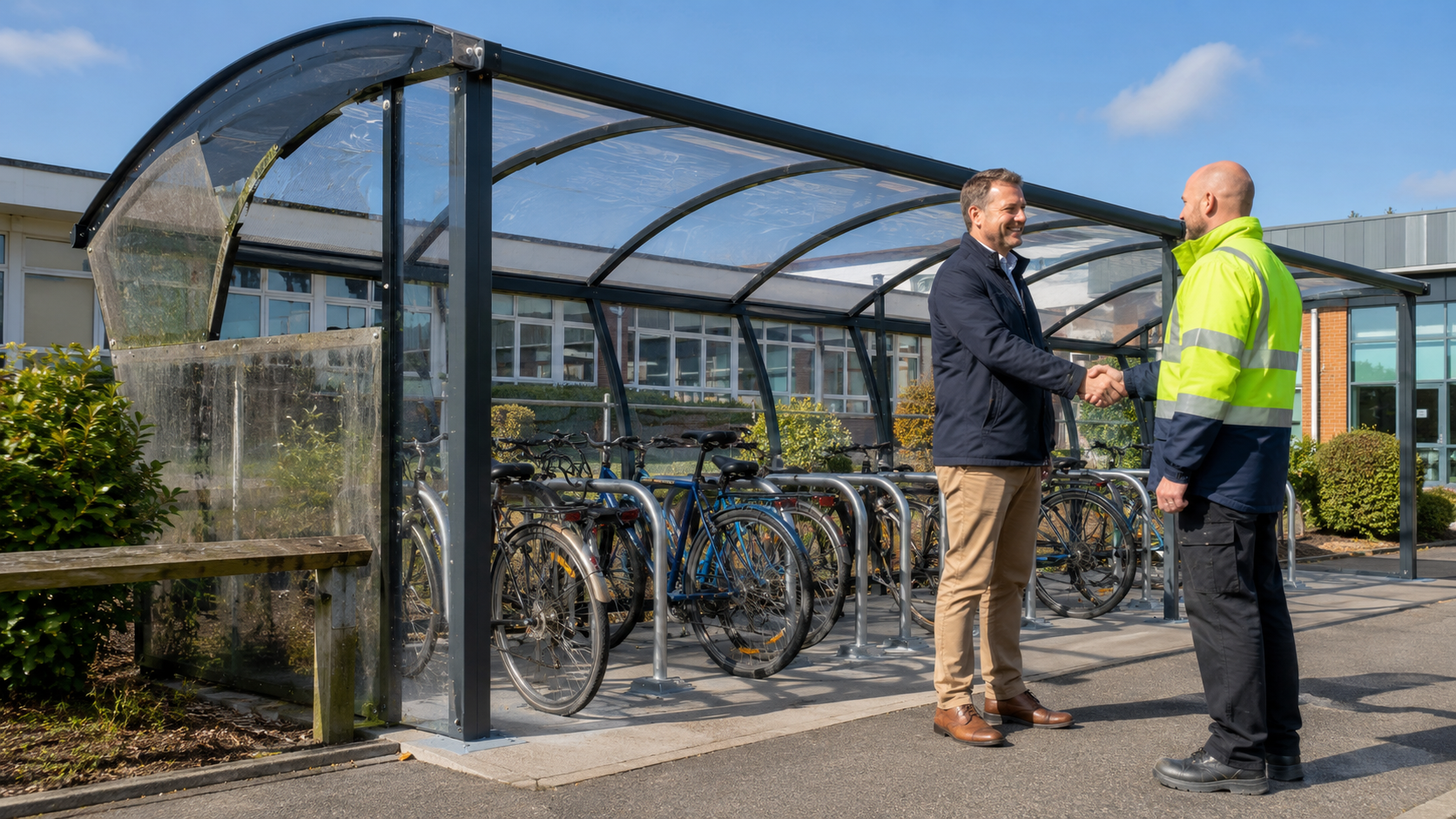
If your shelter is looking tired, but the structure is still solid, refurbishment can deliver a major uplift in appearance, usability, and lifespan without the cost and disruption of full replacement.
Fix My Shelter is well placed to support this kind of upgrade, particularly where the job involves replacement glazing panels, shelter upkeep, and extending the service life of existing outdoor infrastructure. We offer the complete solution!